parent individuals — handmade wool felt
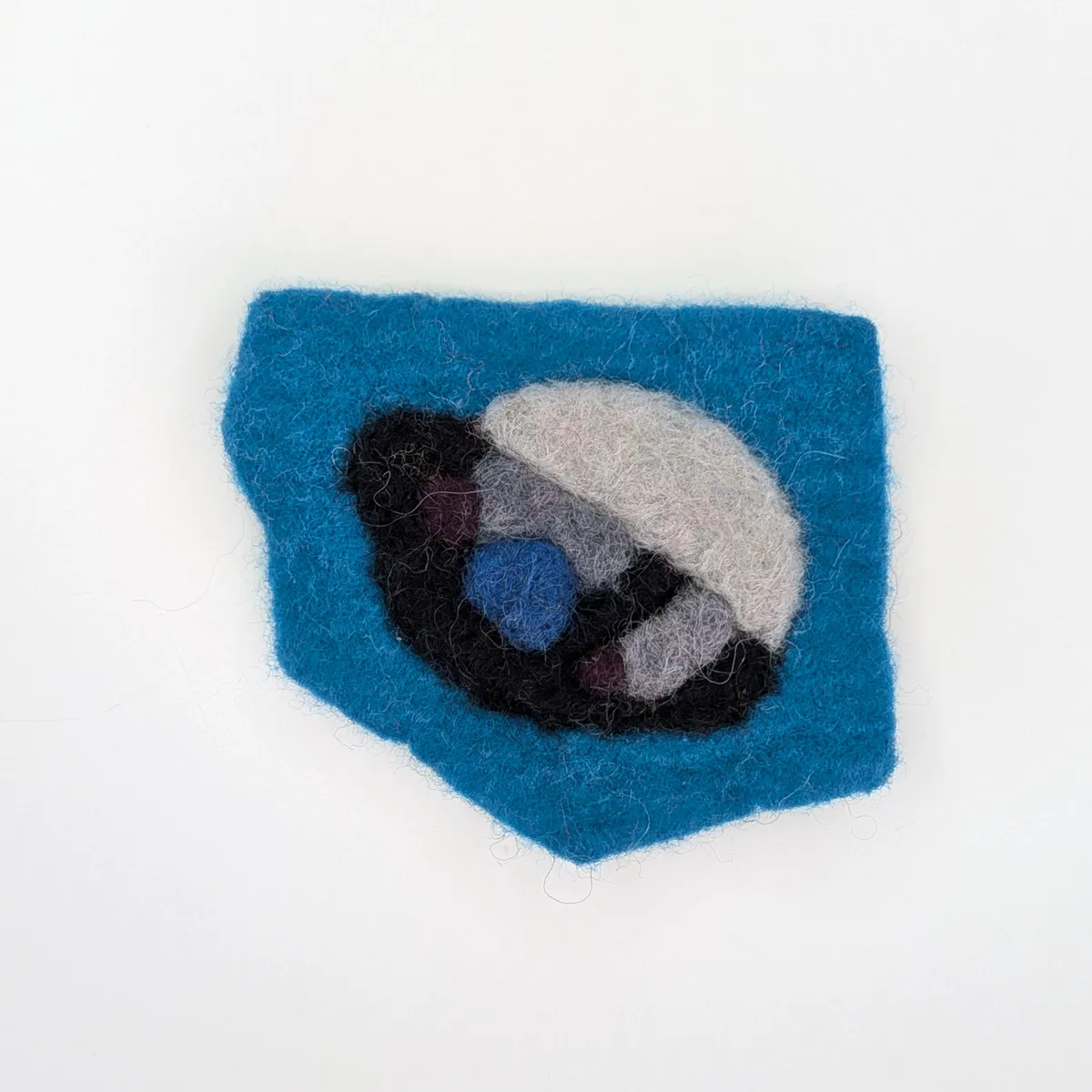
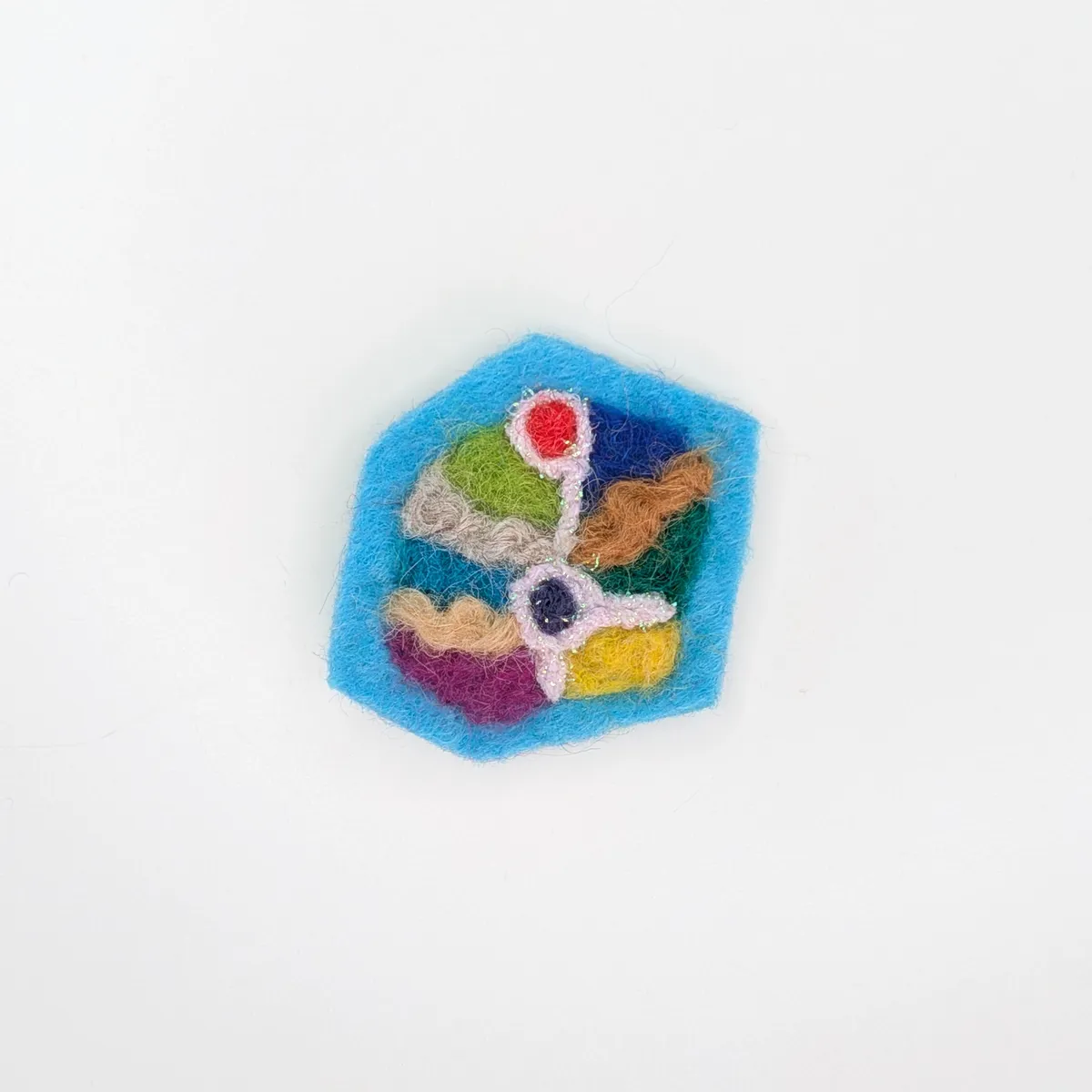
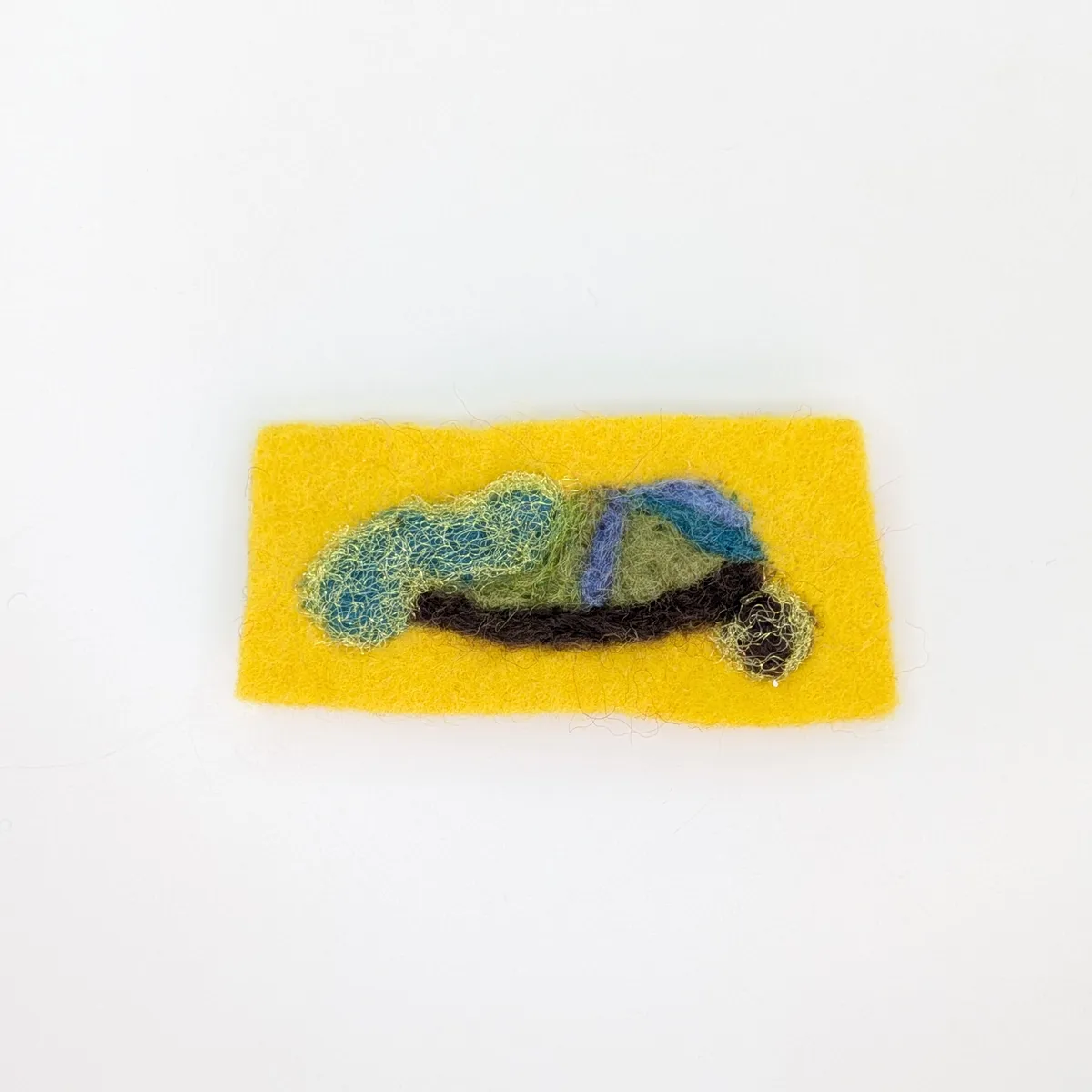
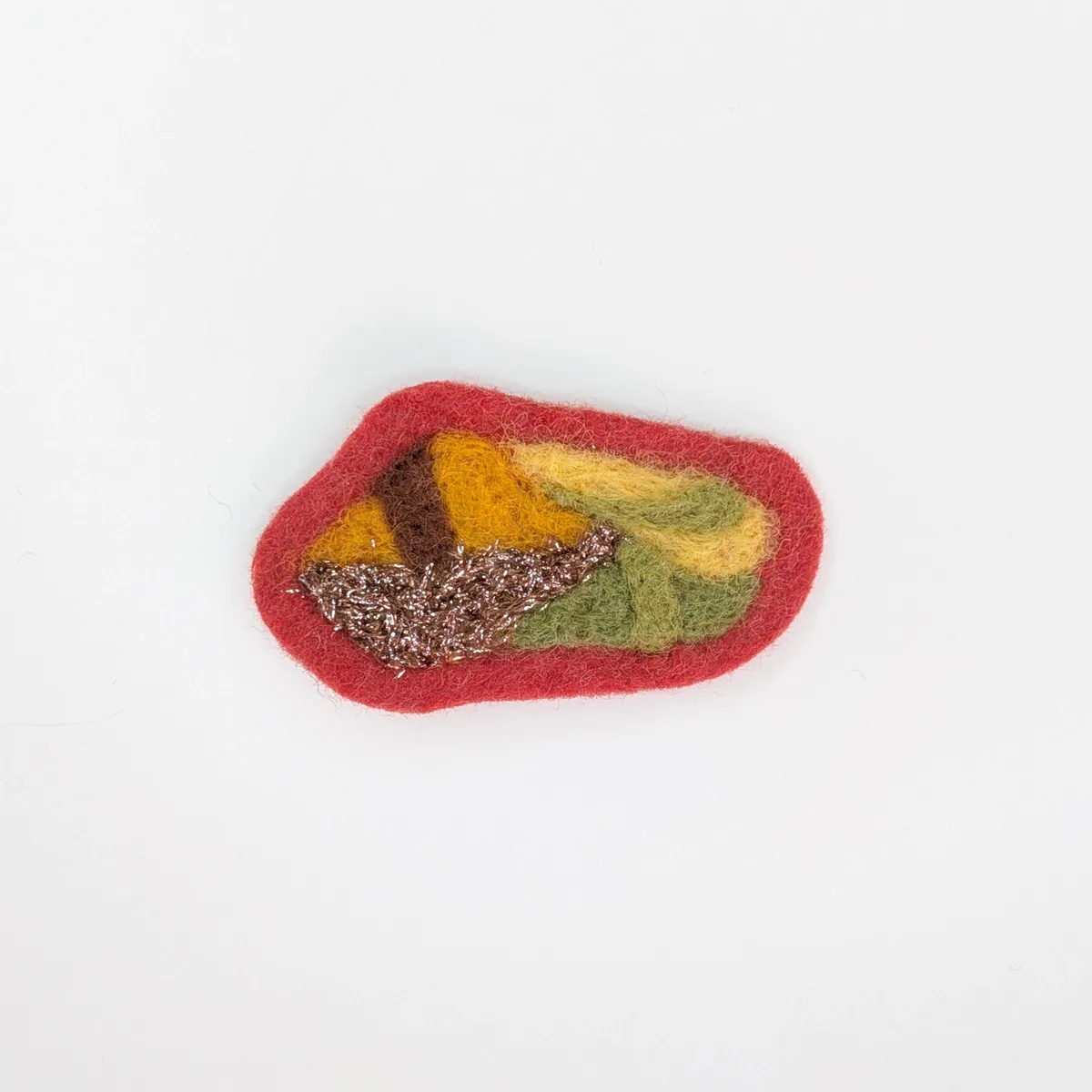
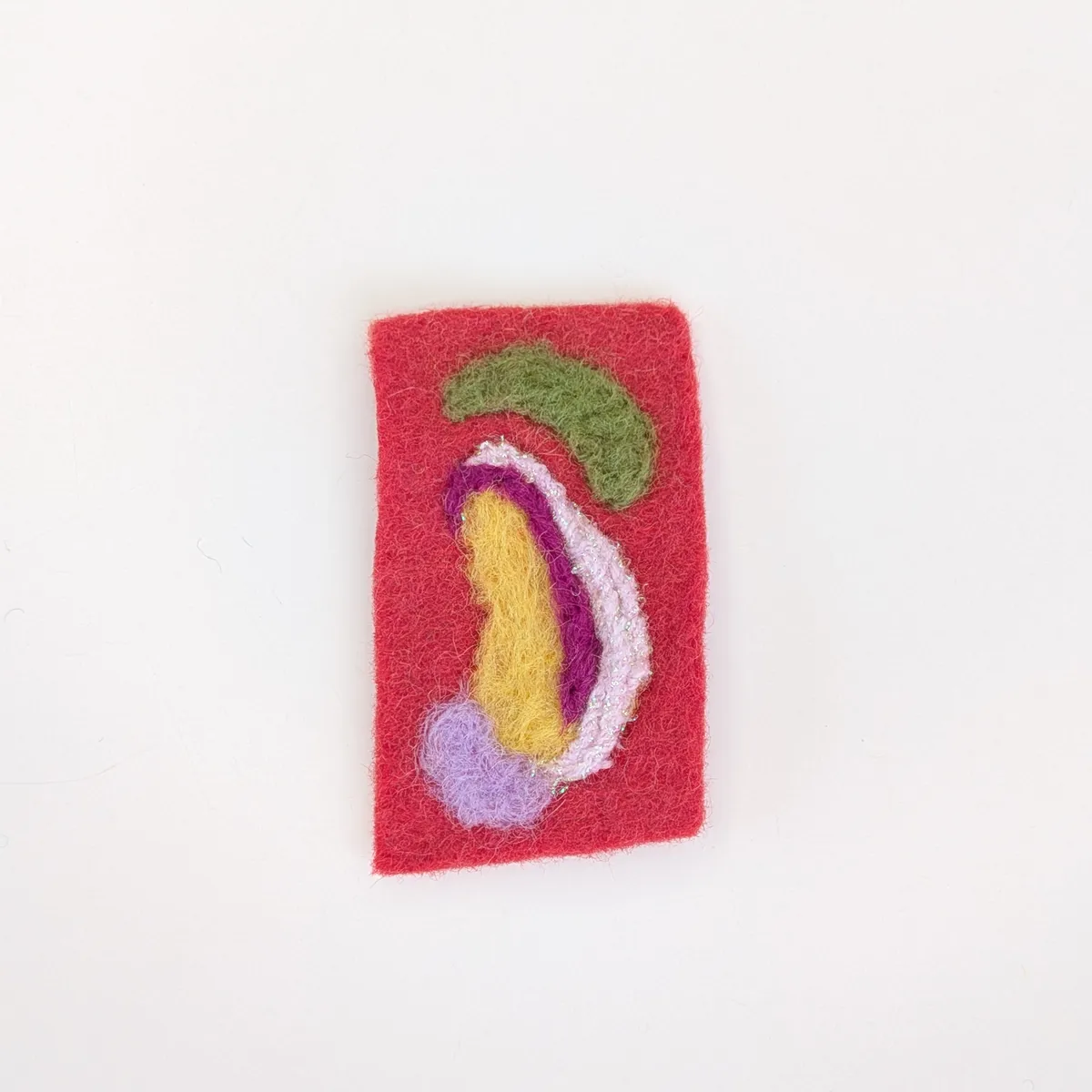
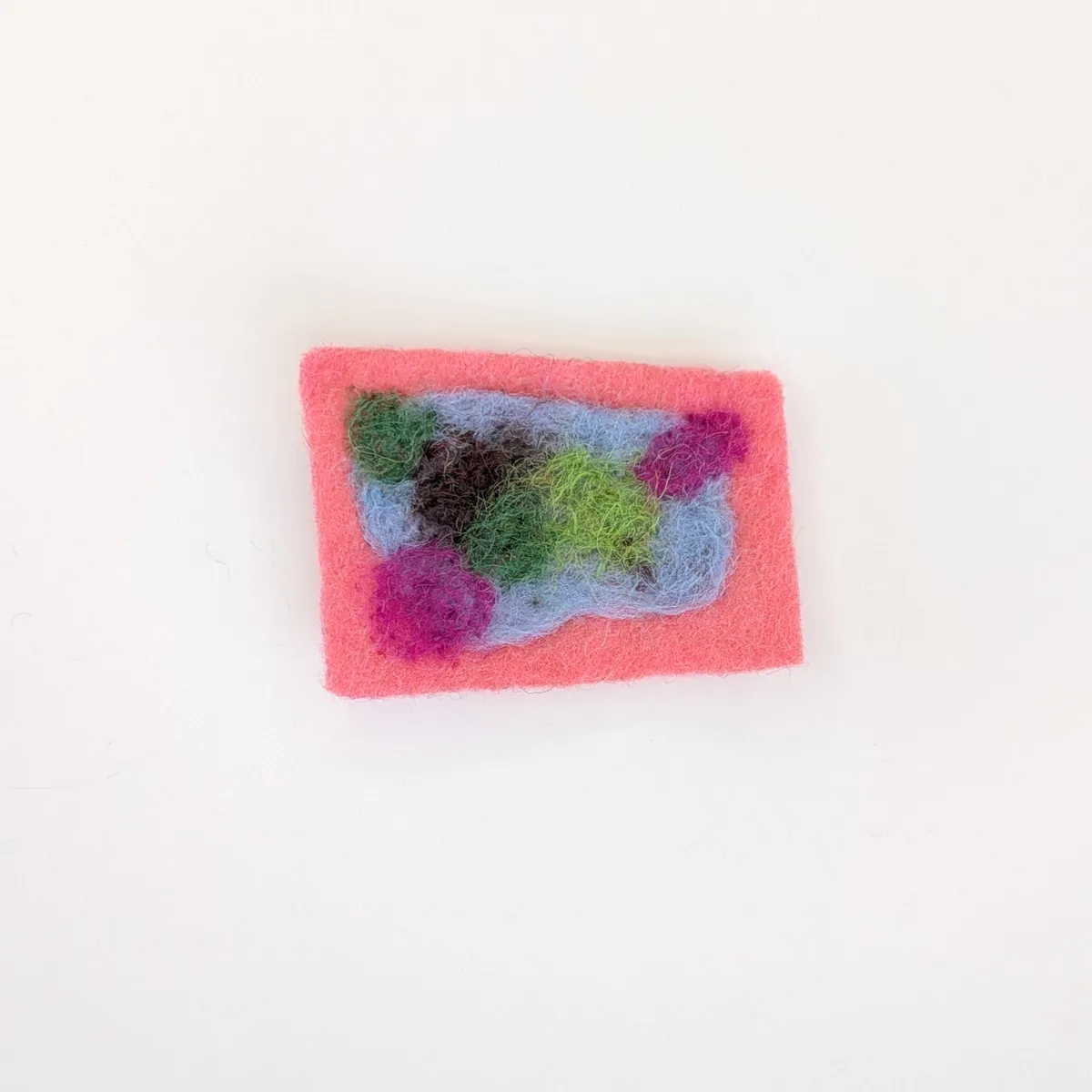
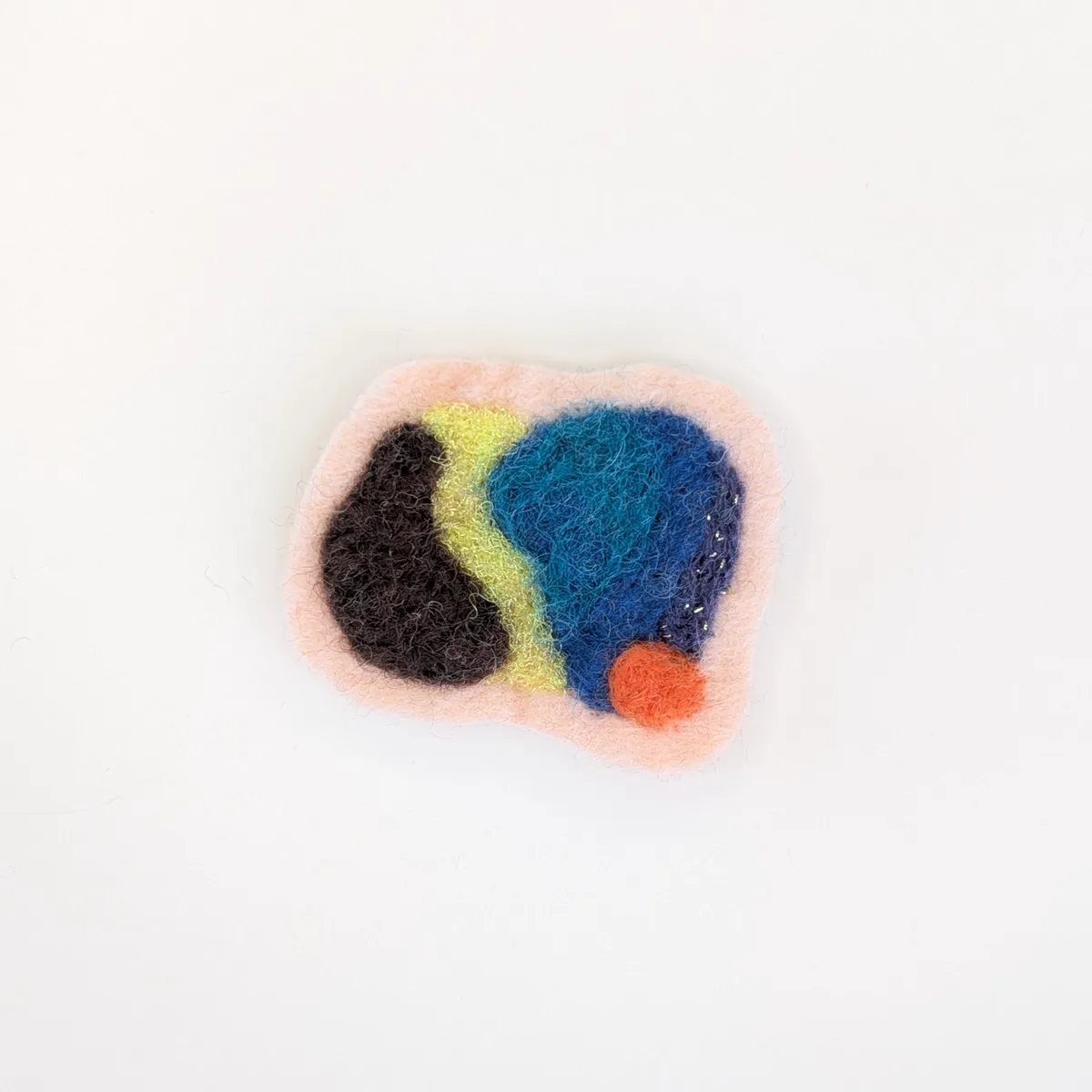
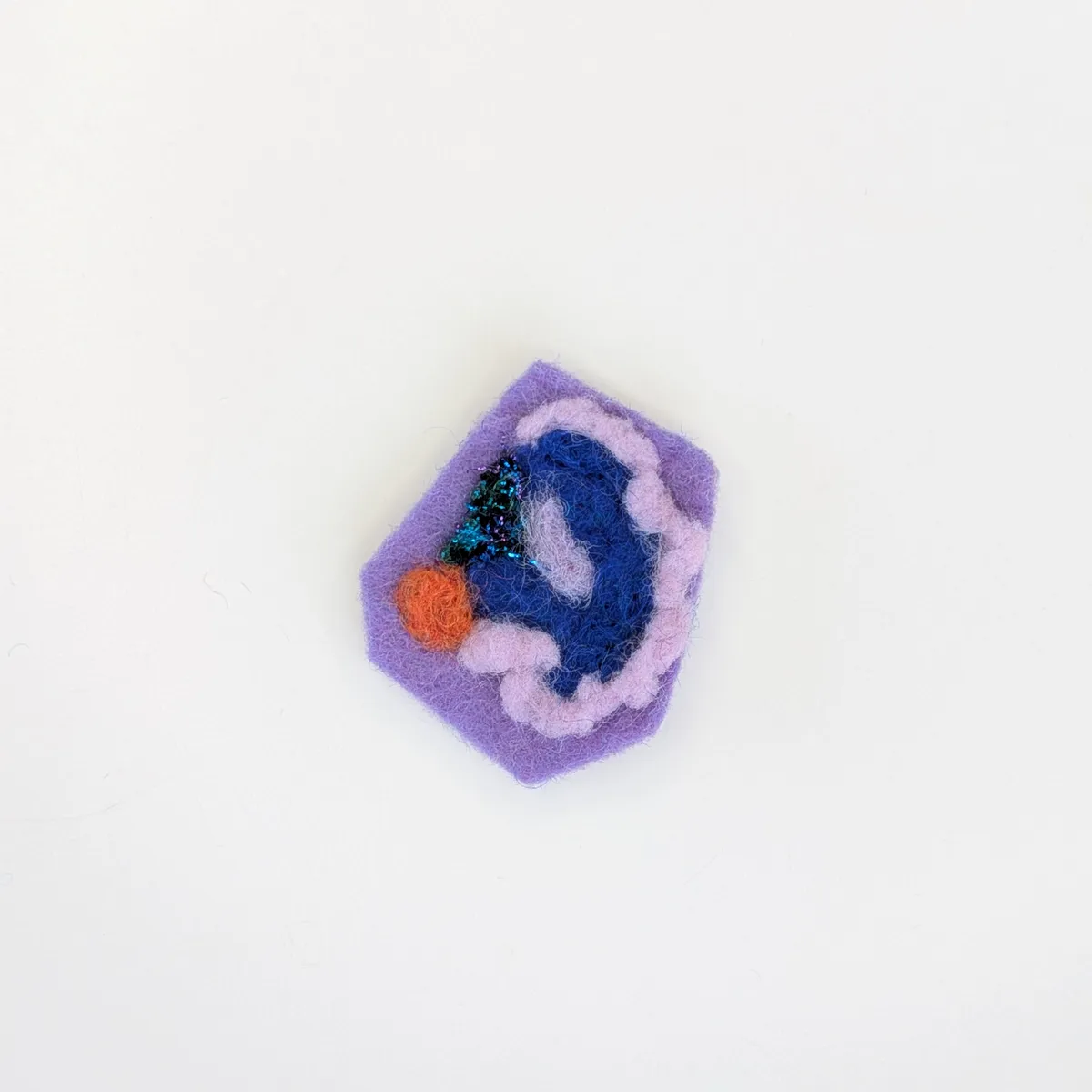
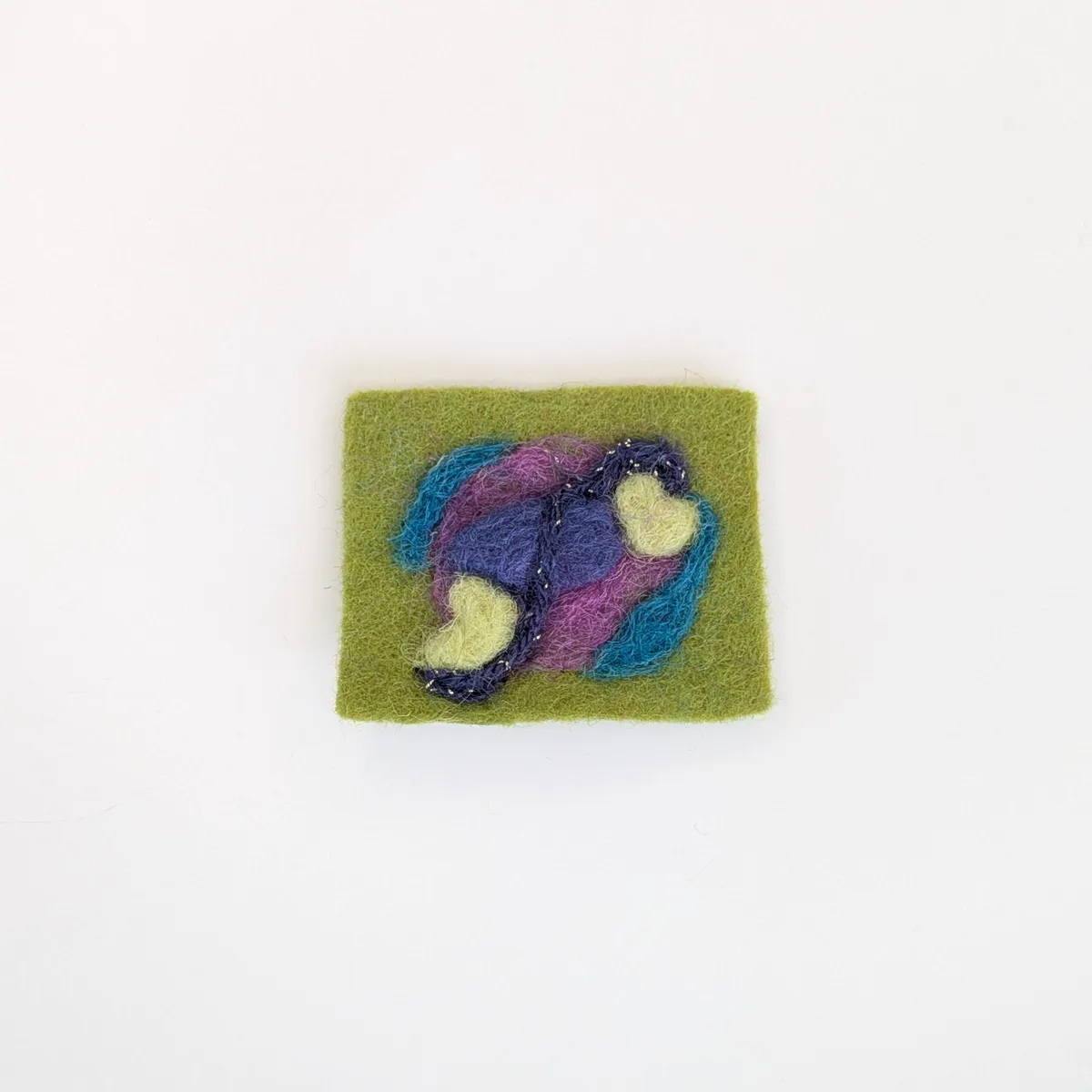
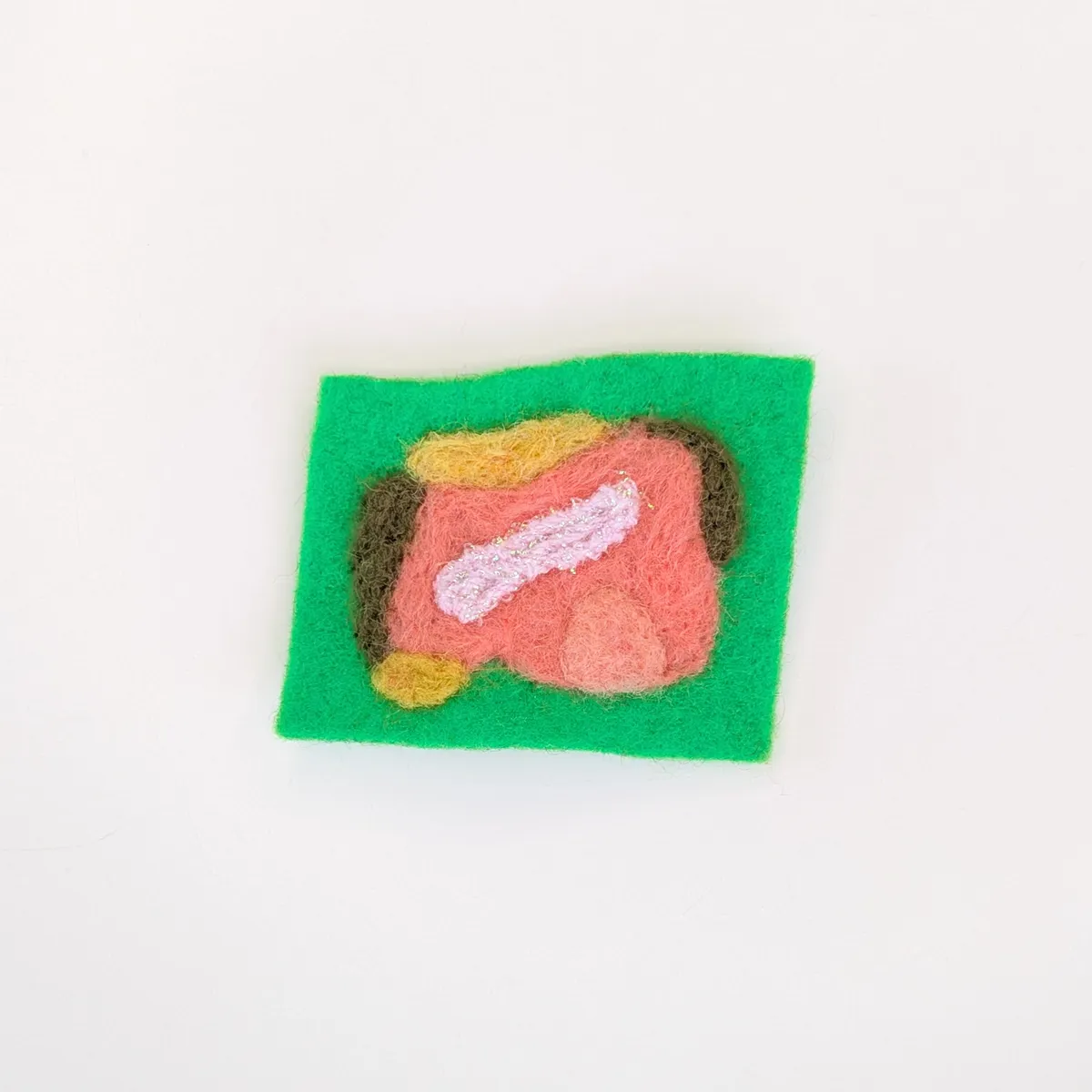
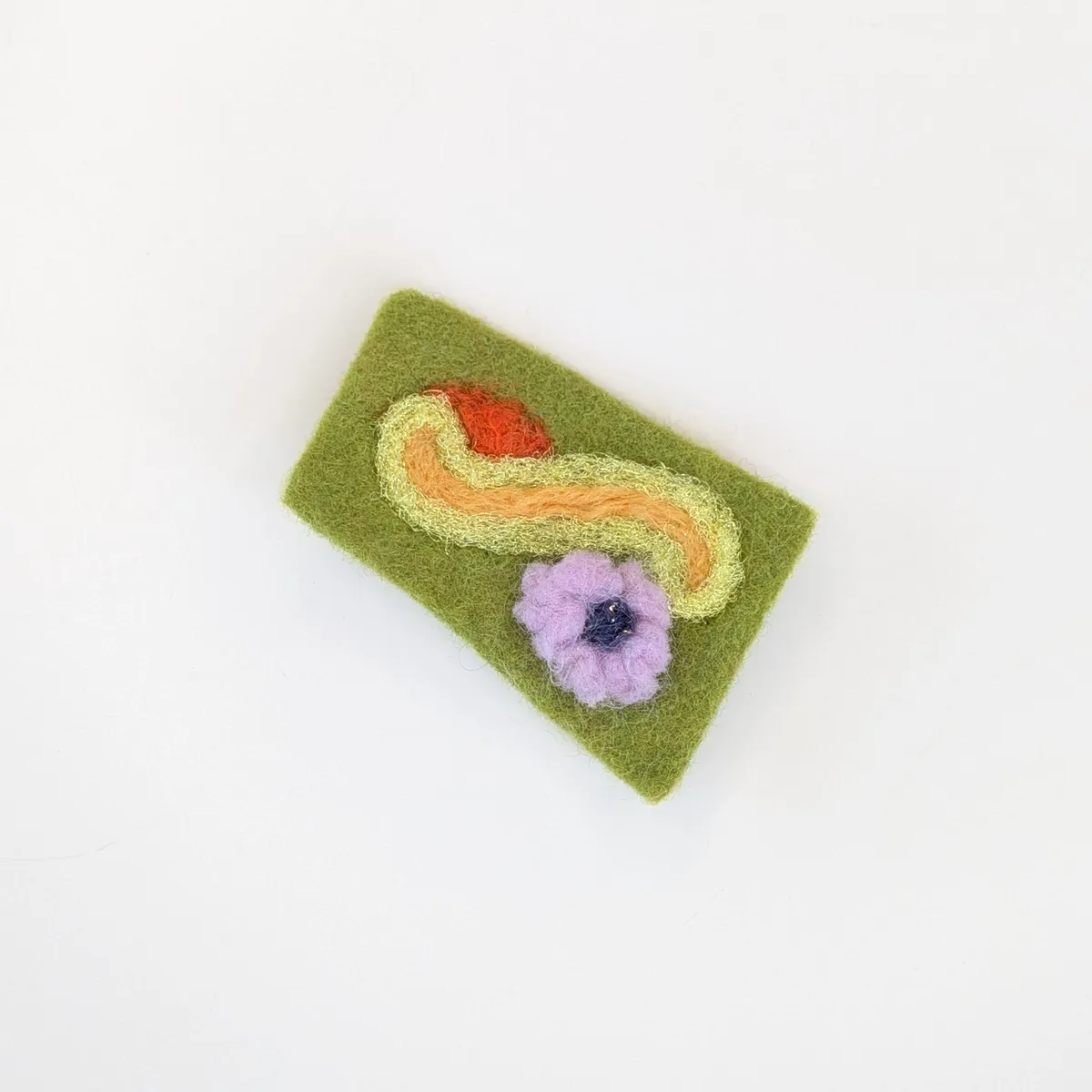
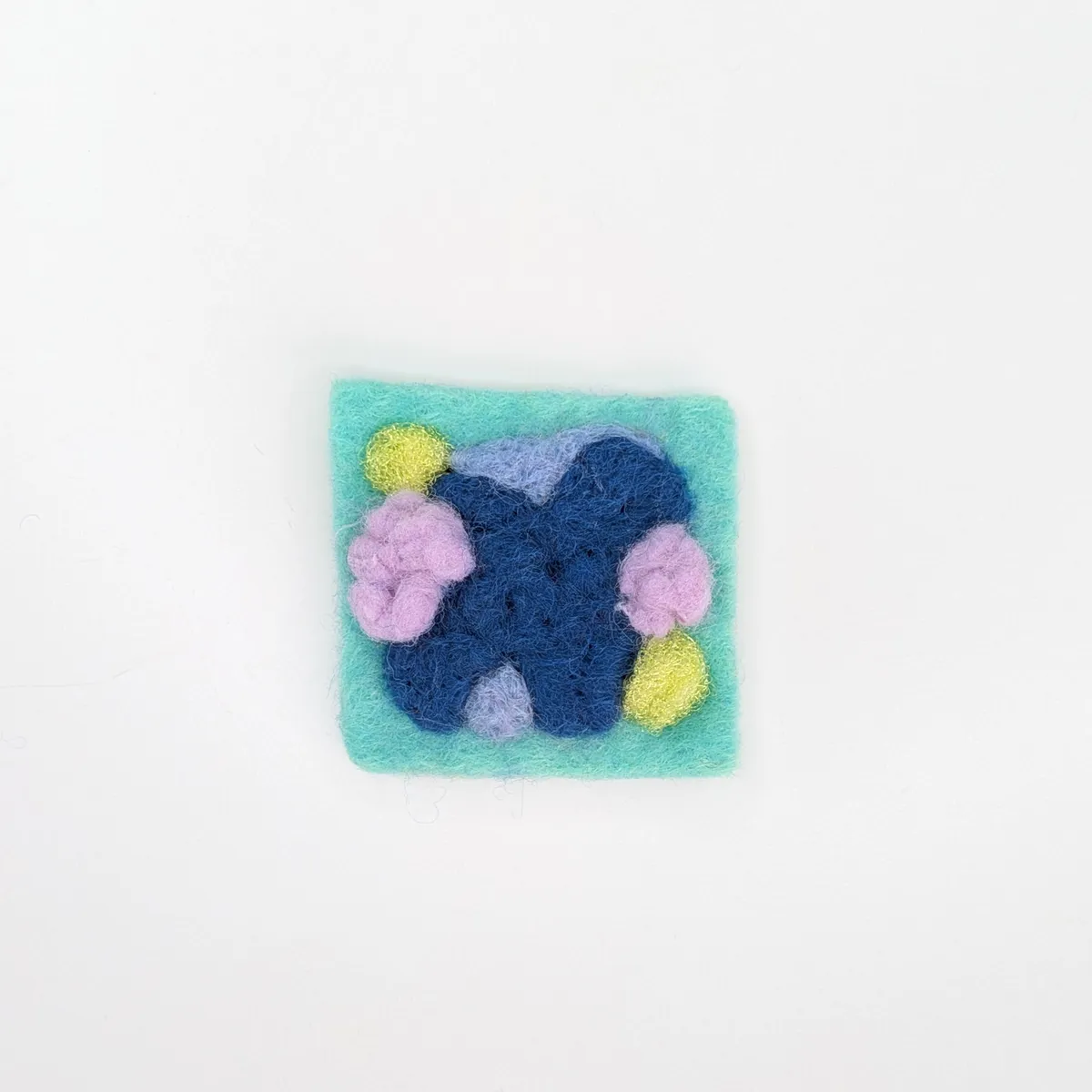
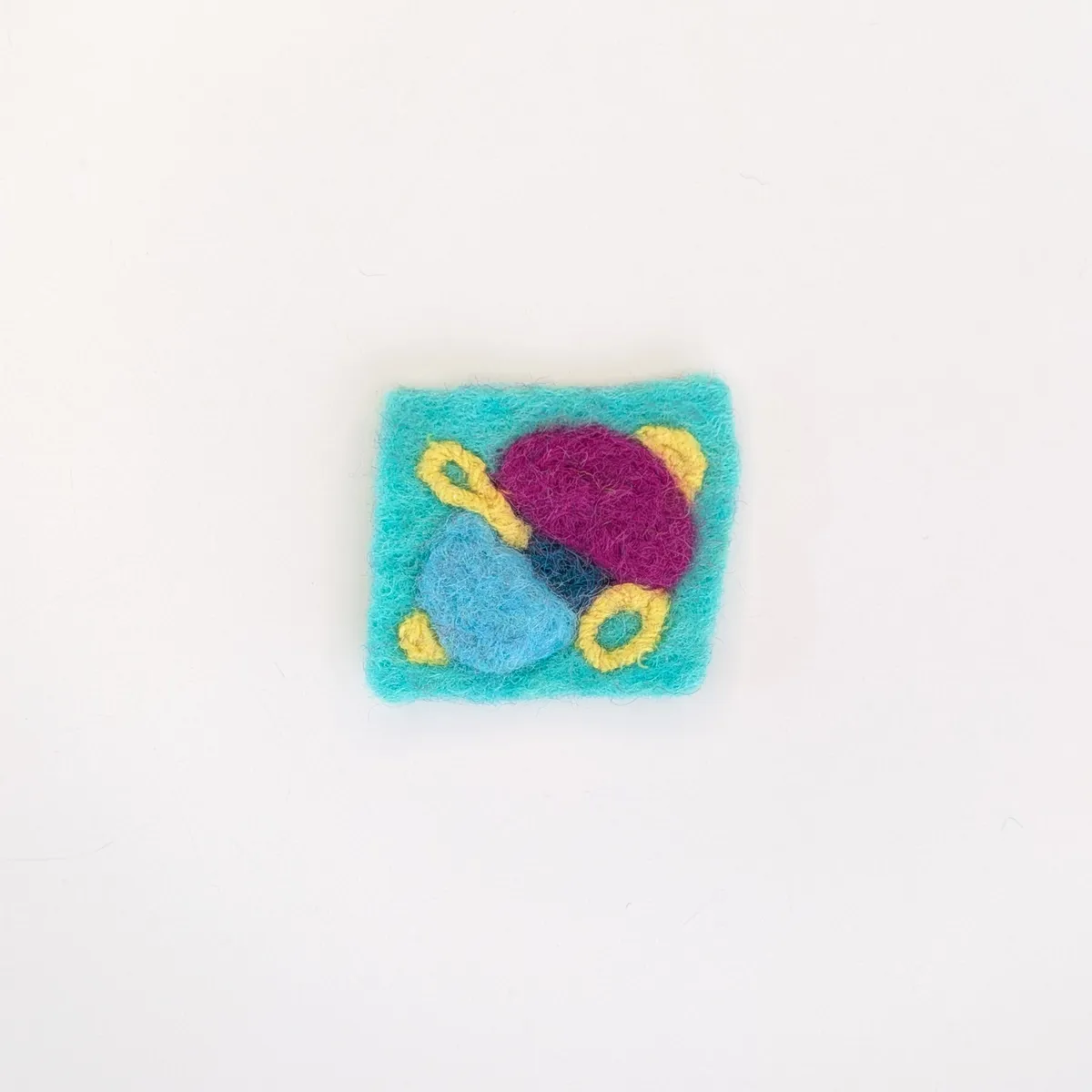
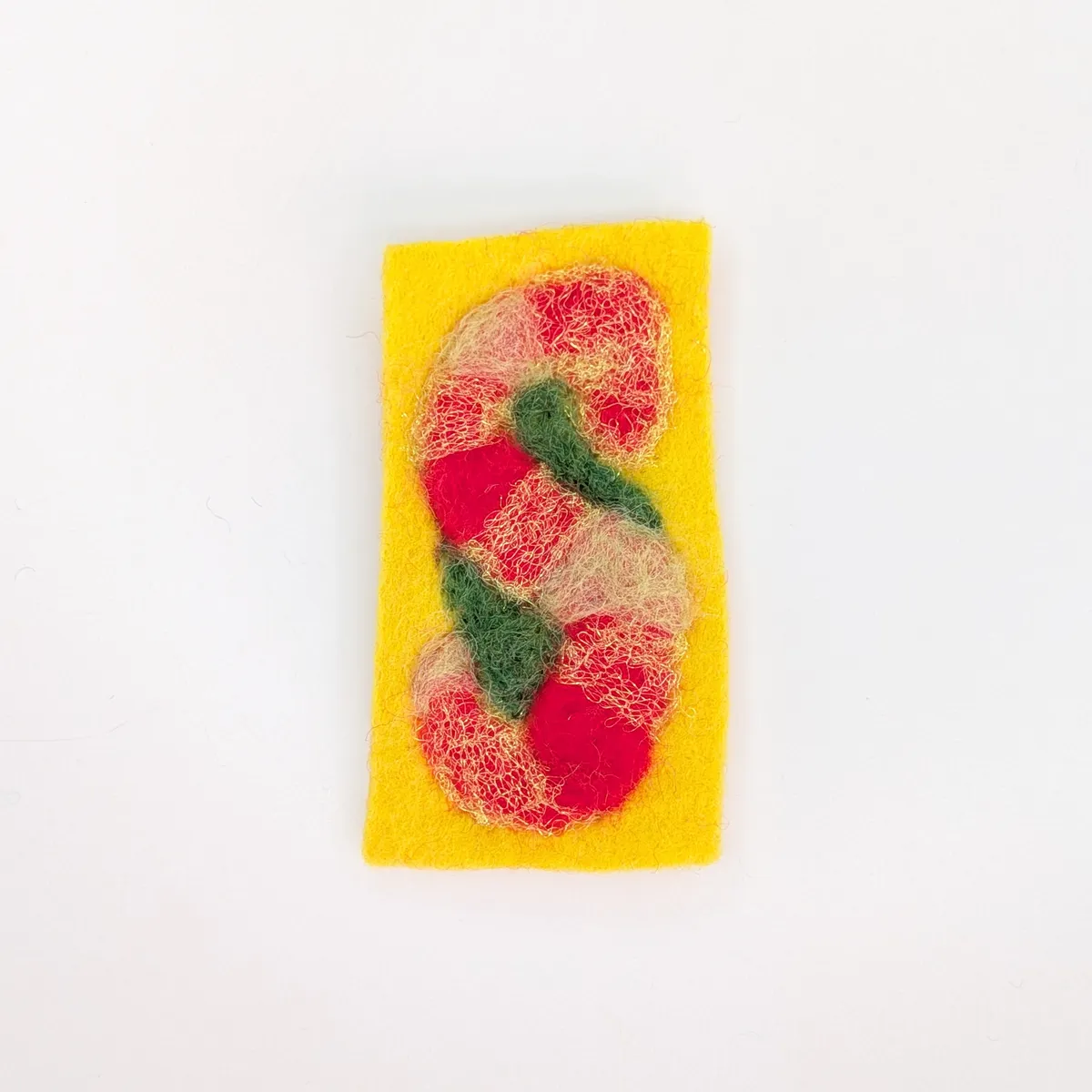
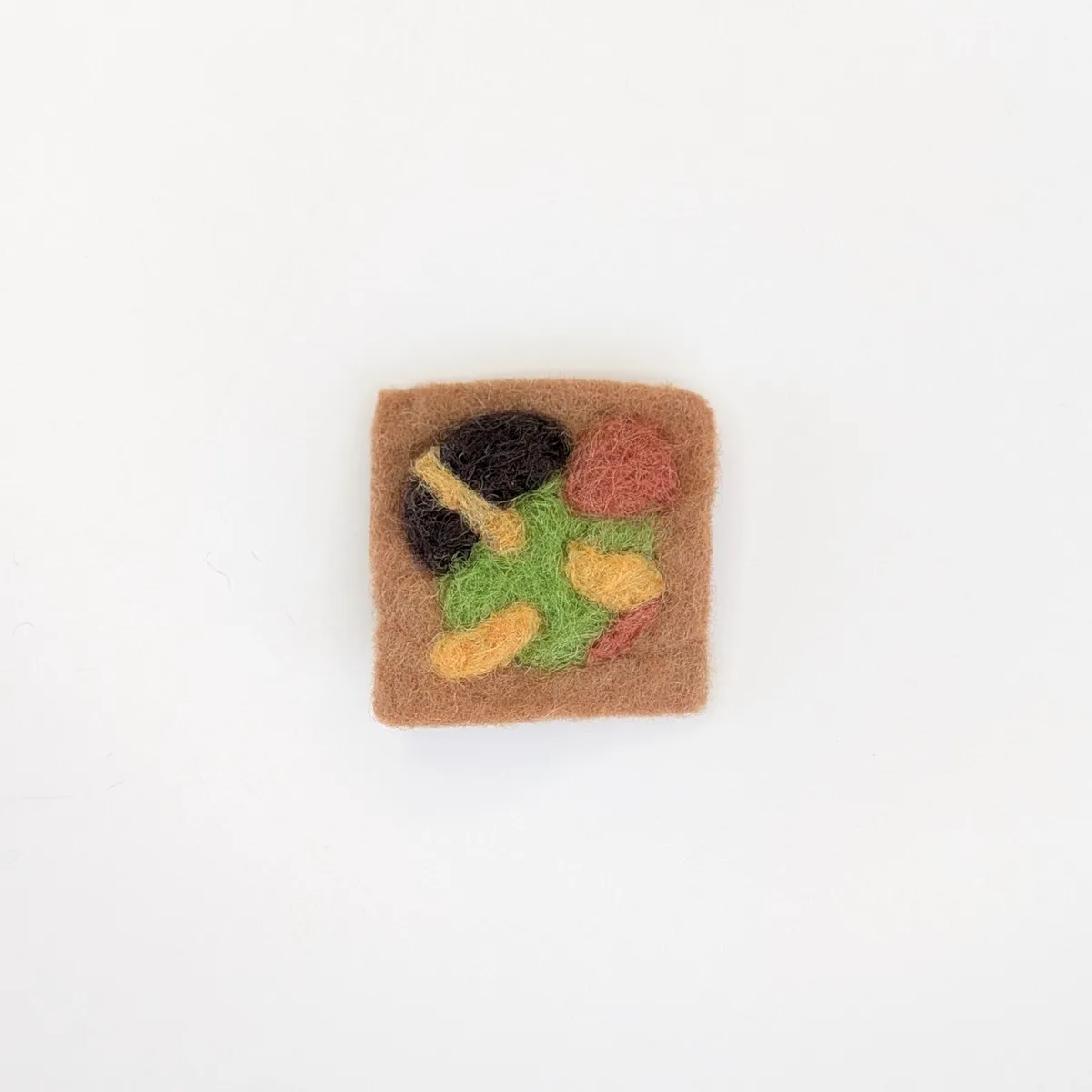
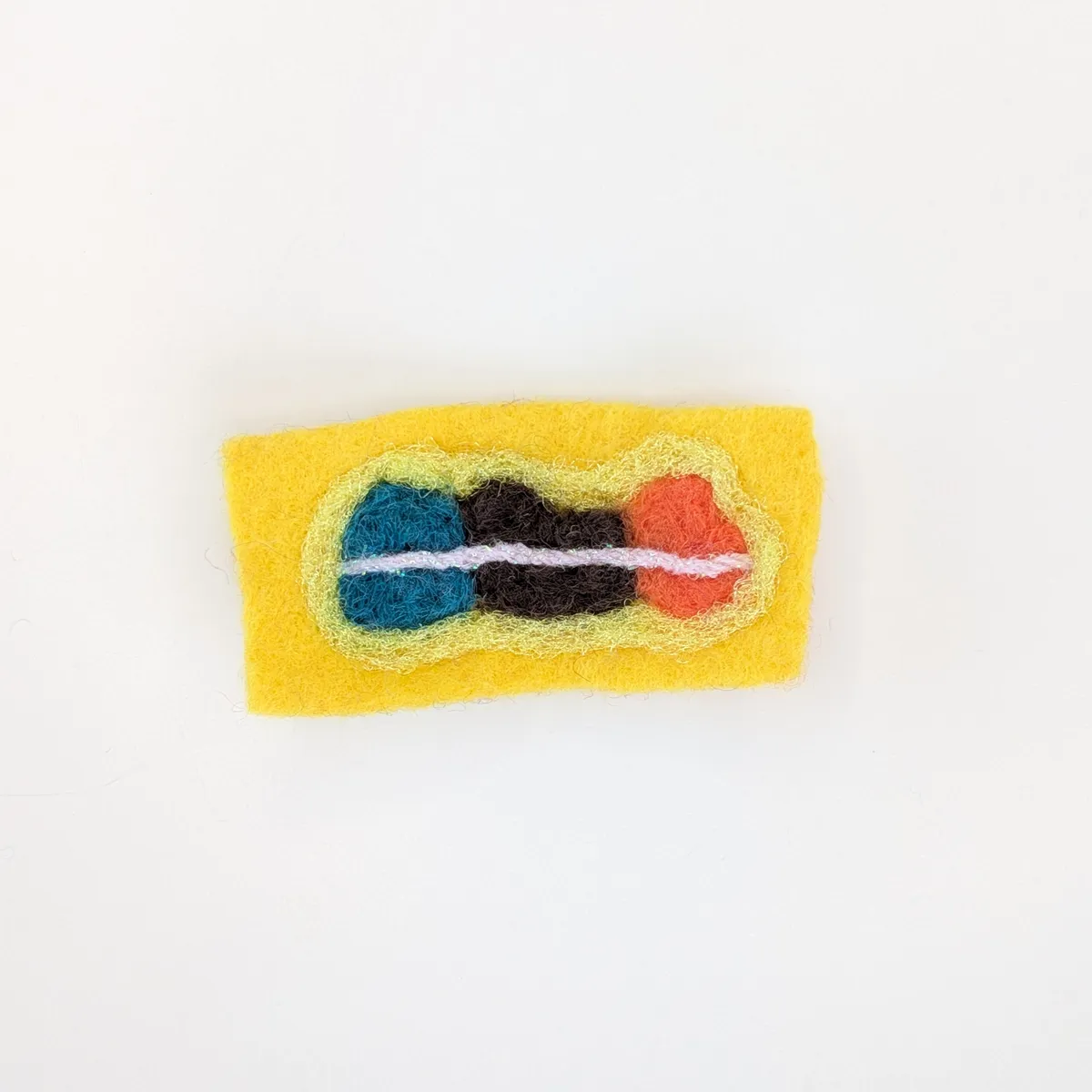
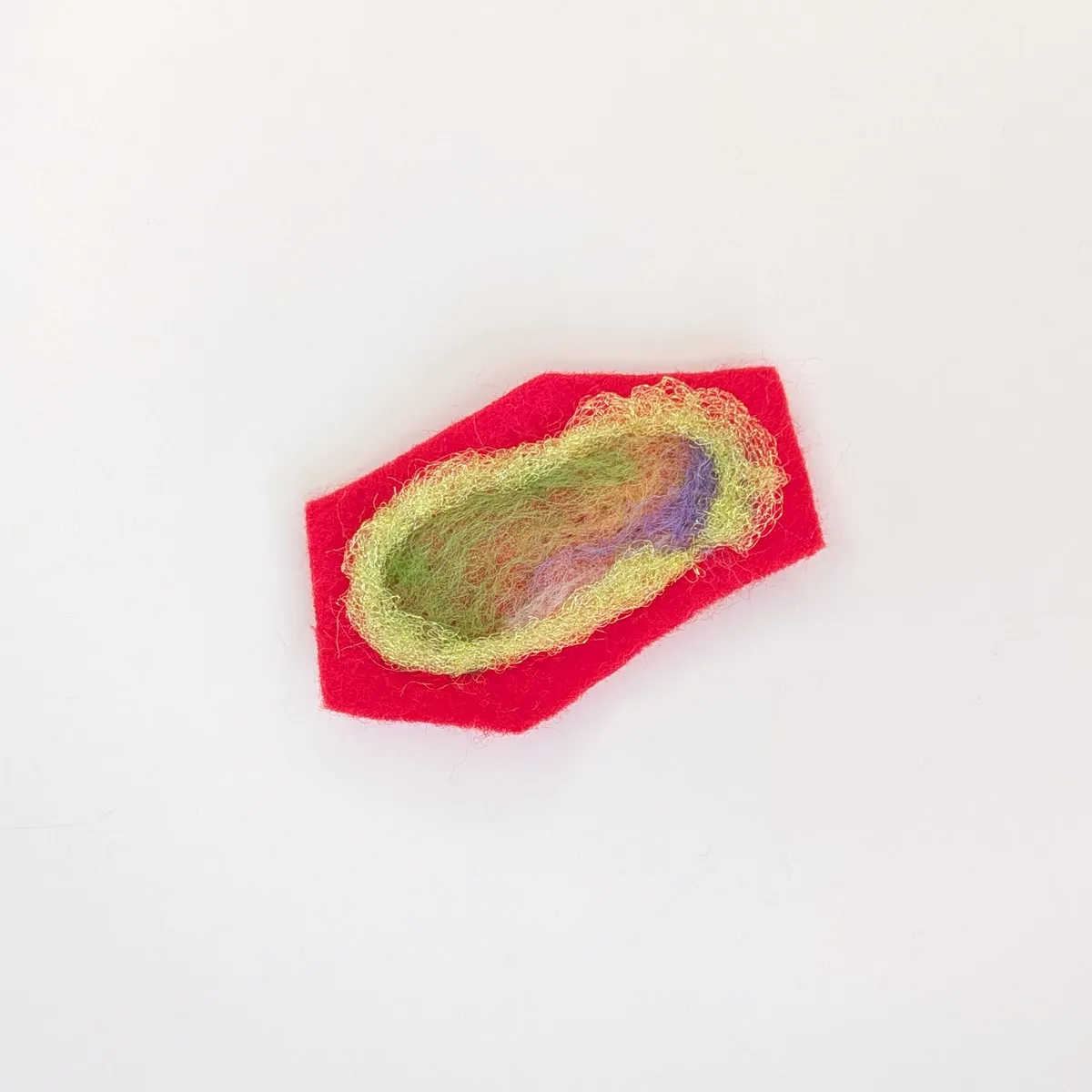
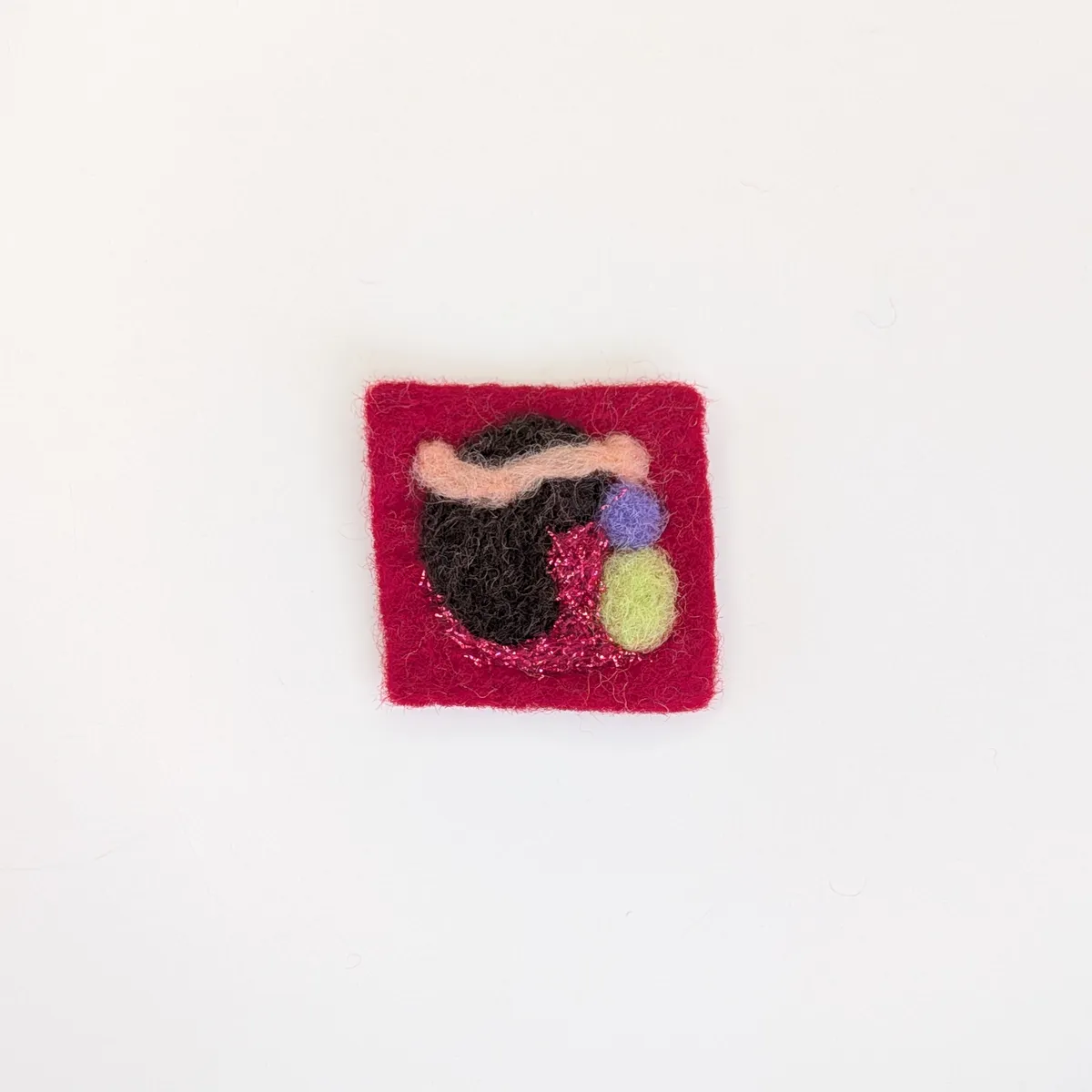

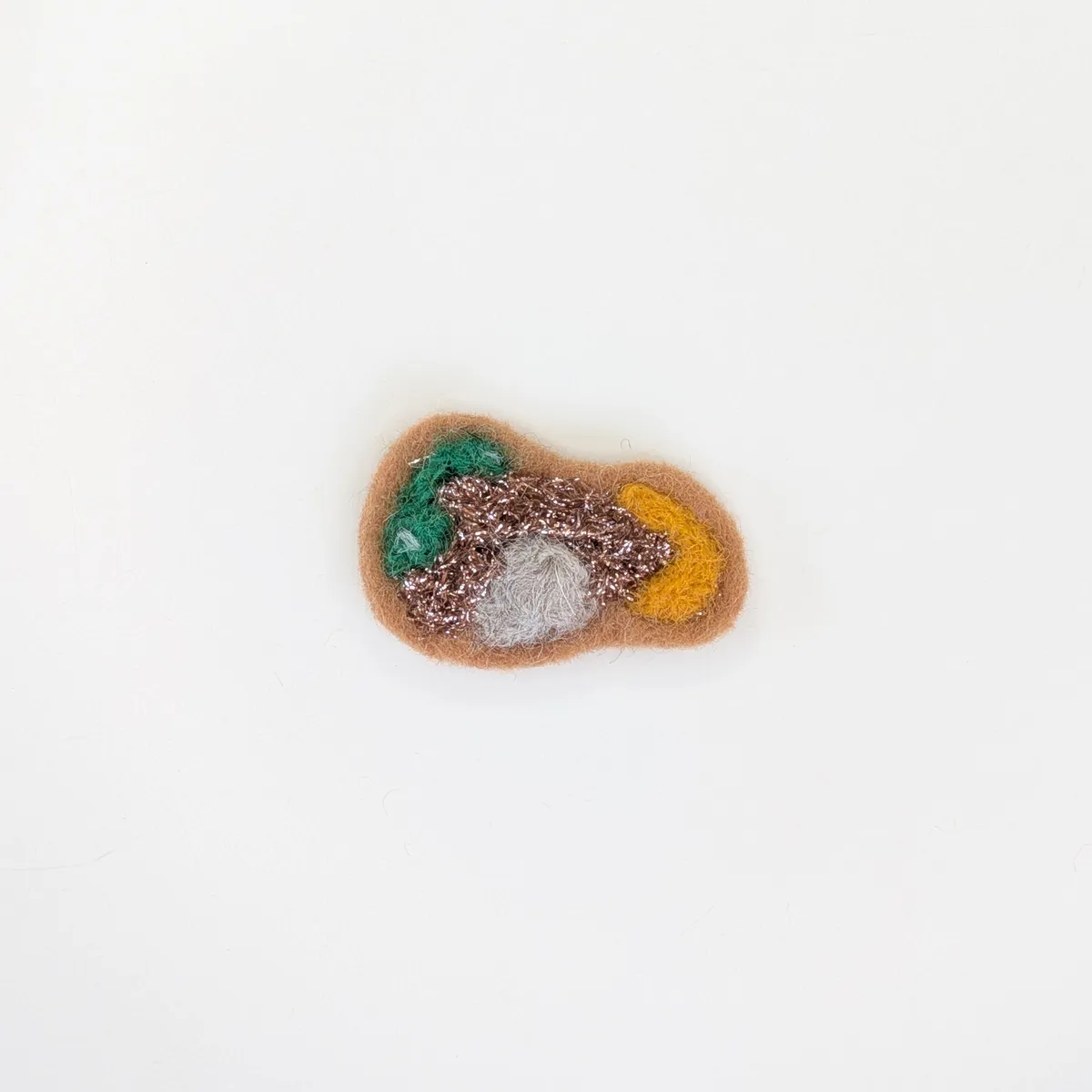
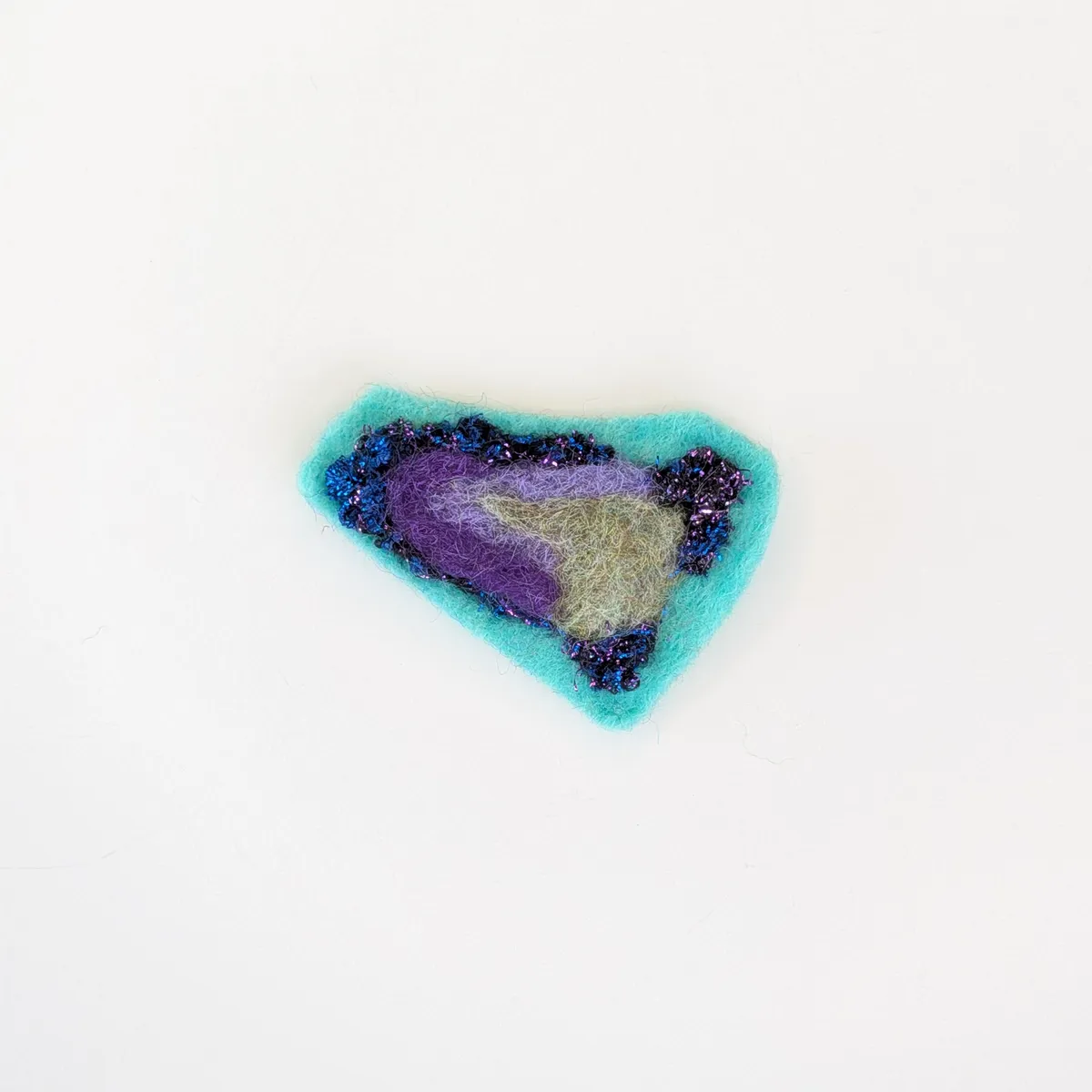
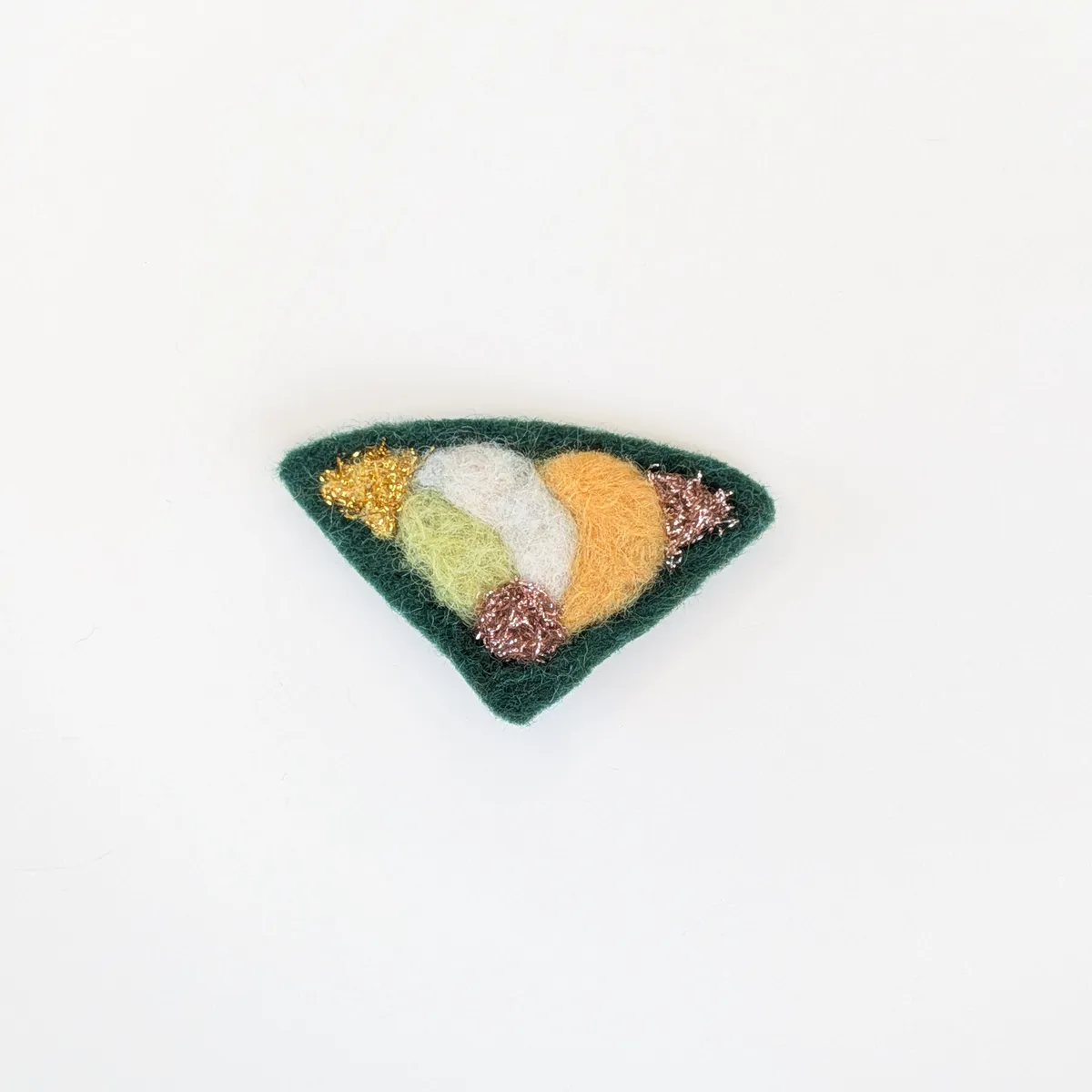
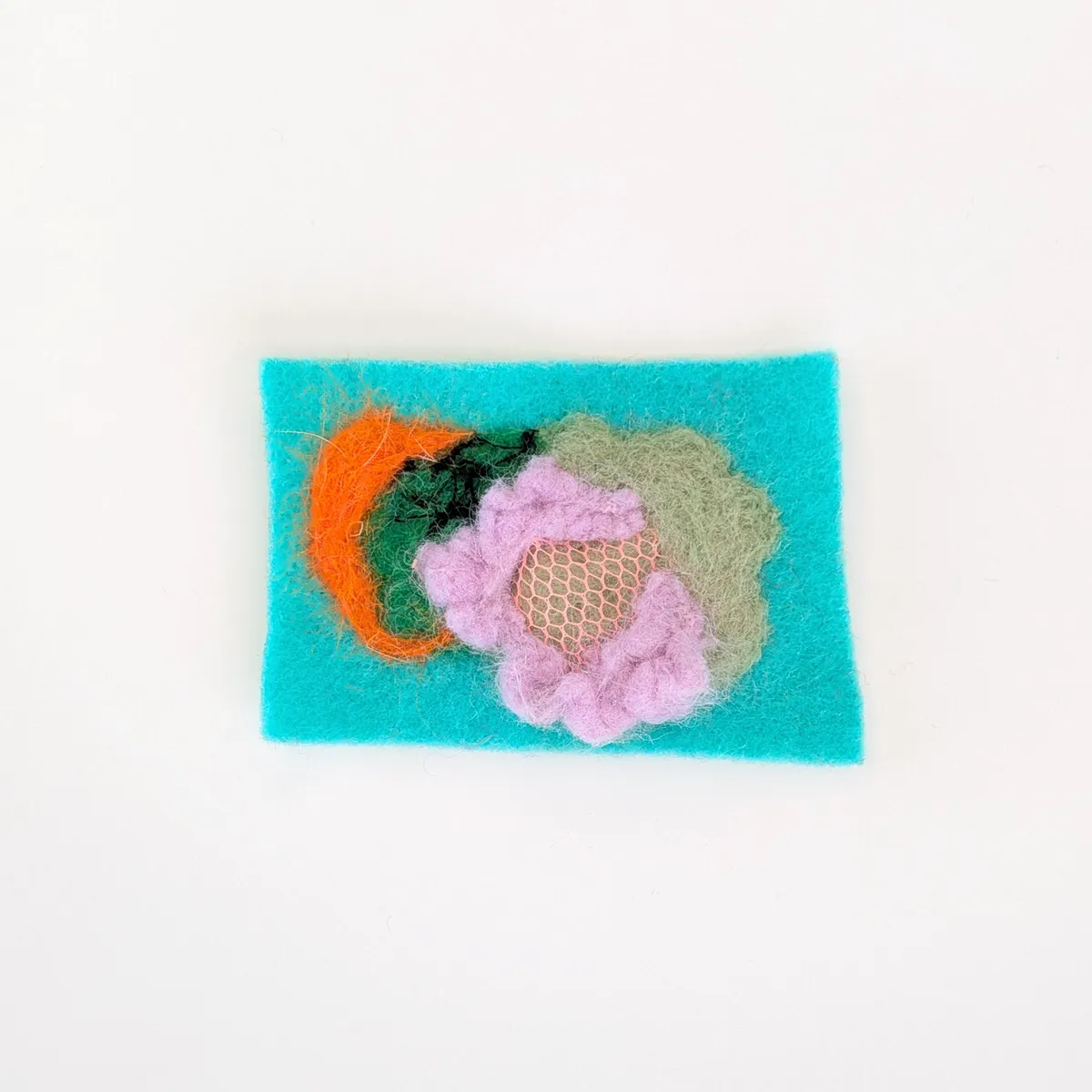
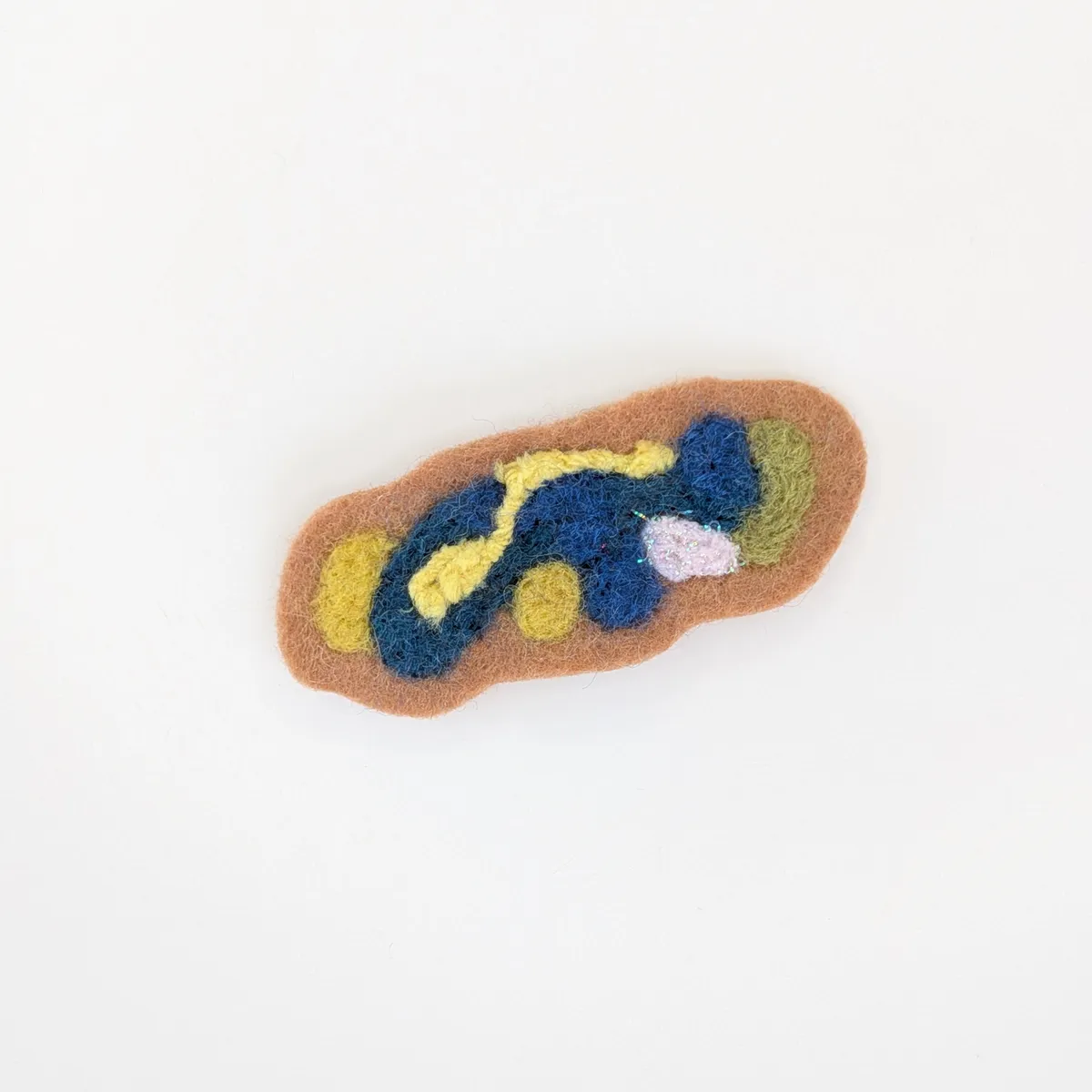
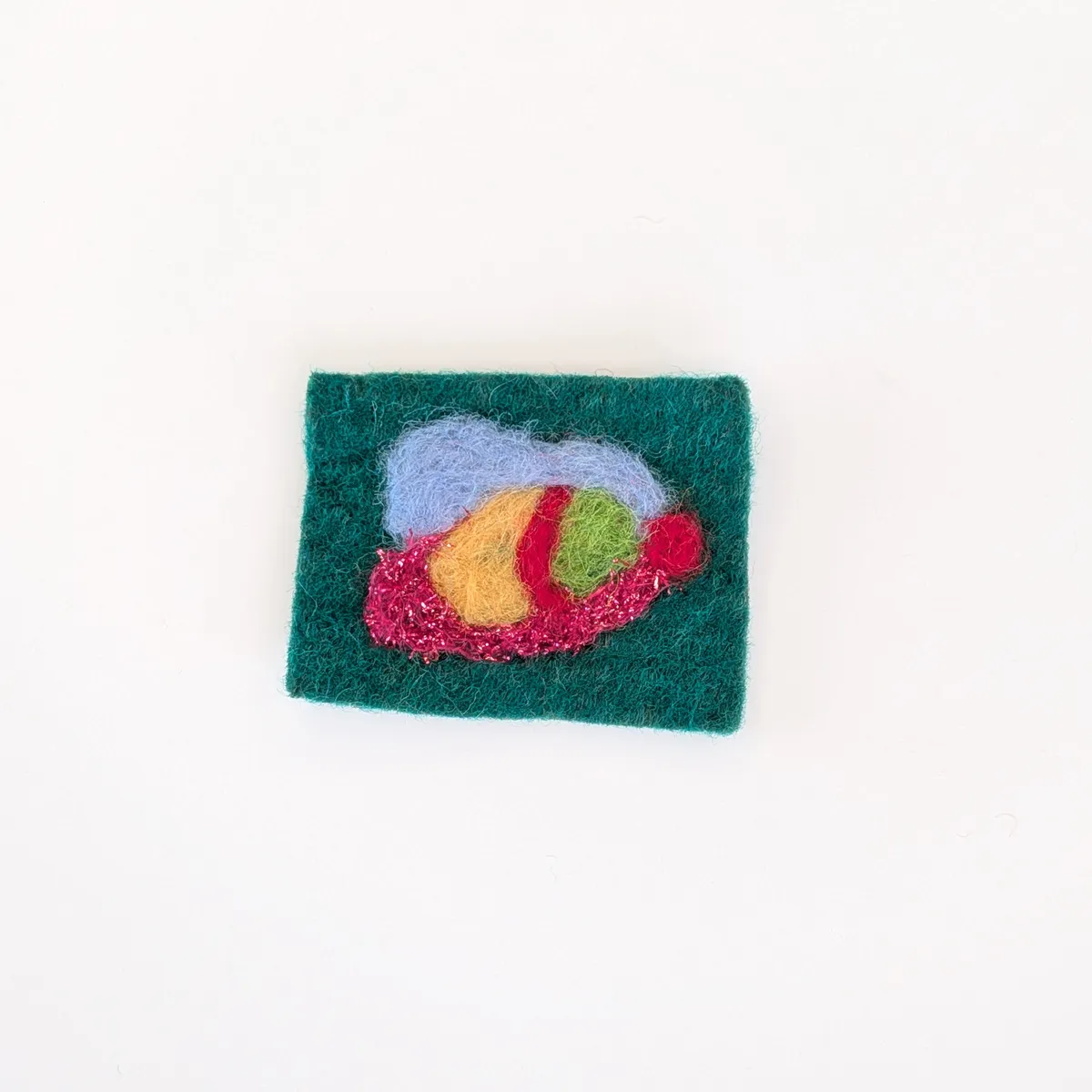
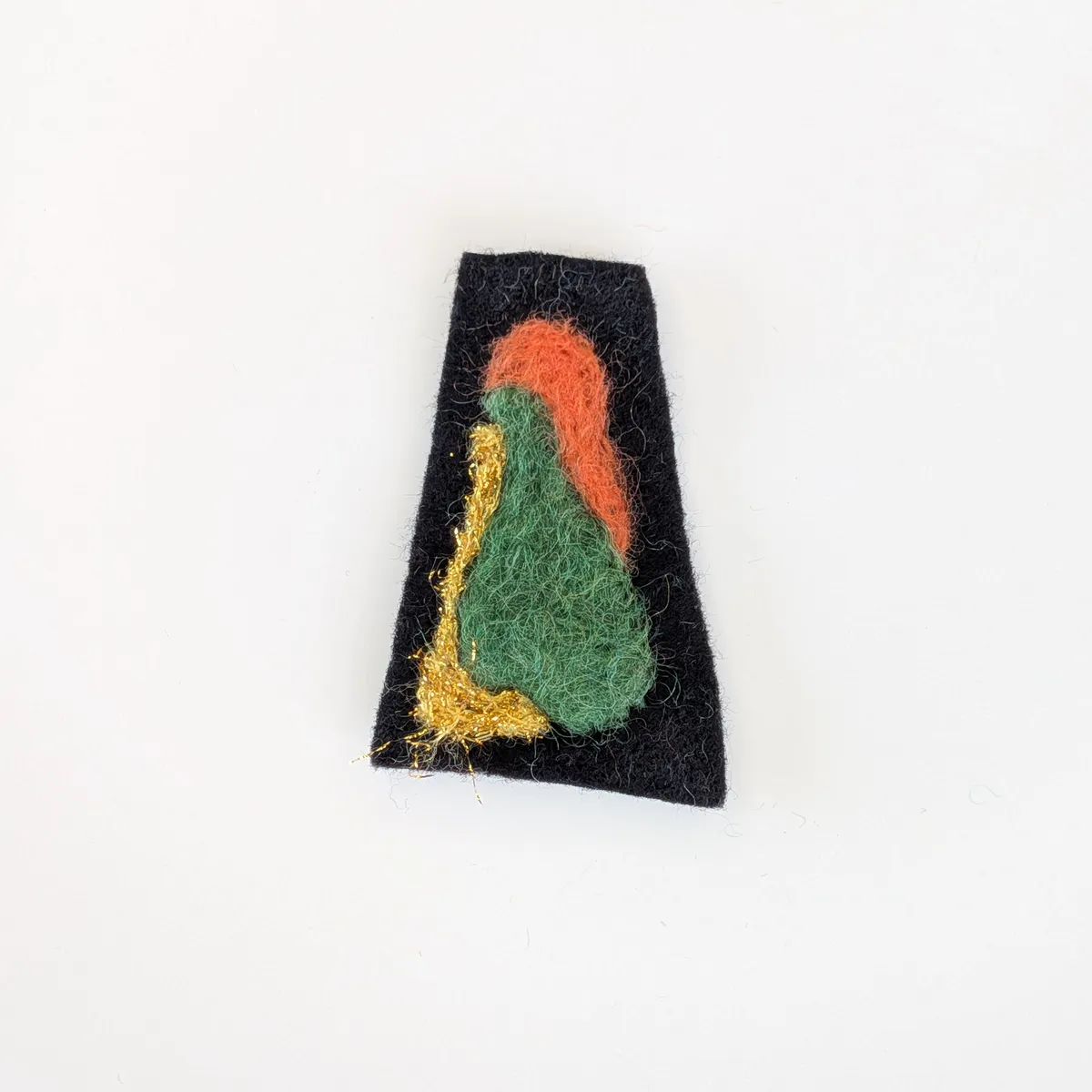
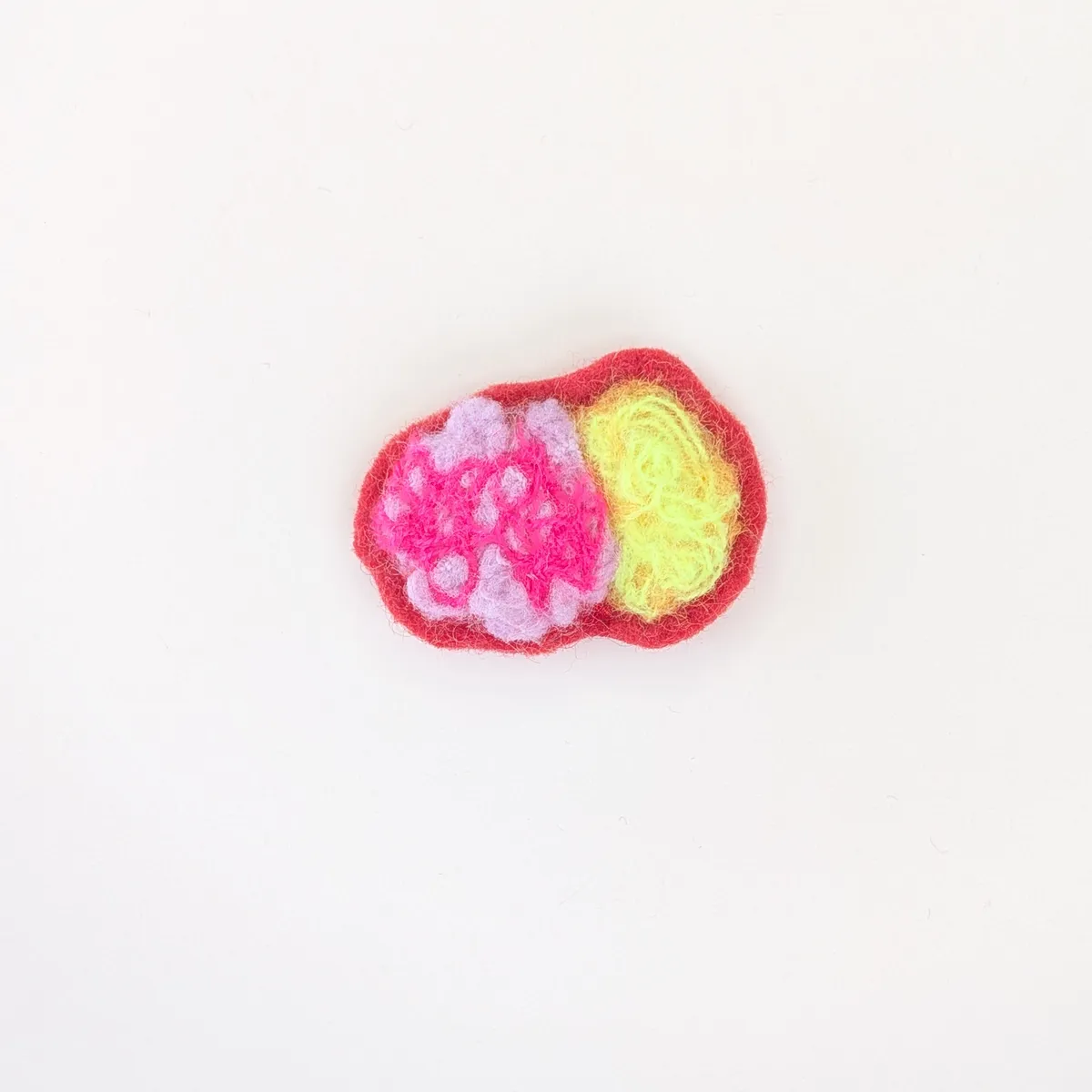
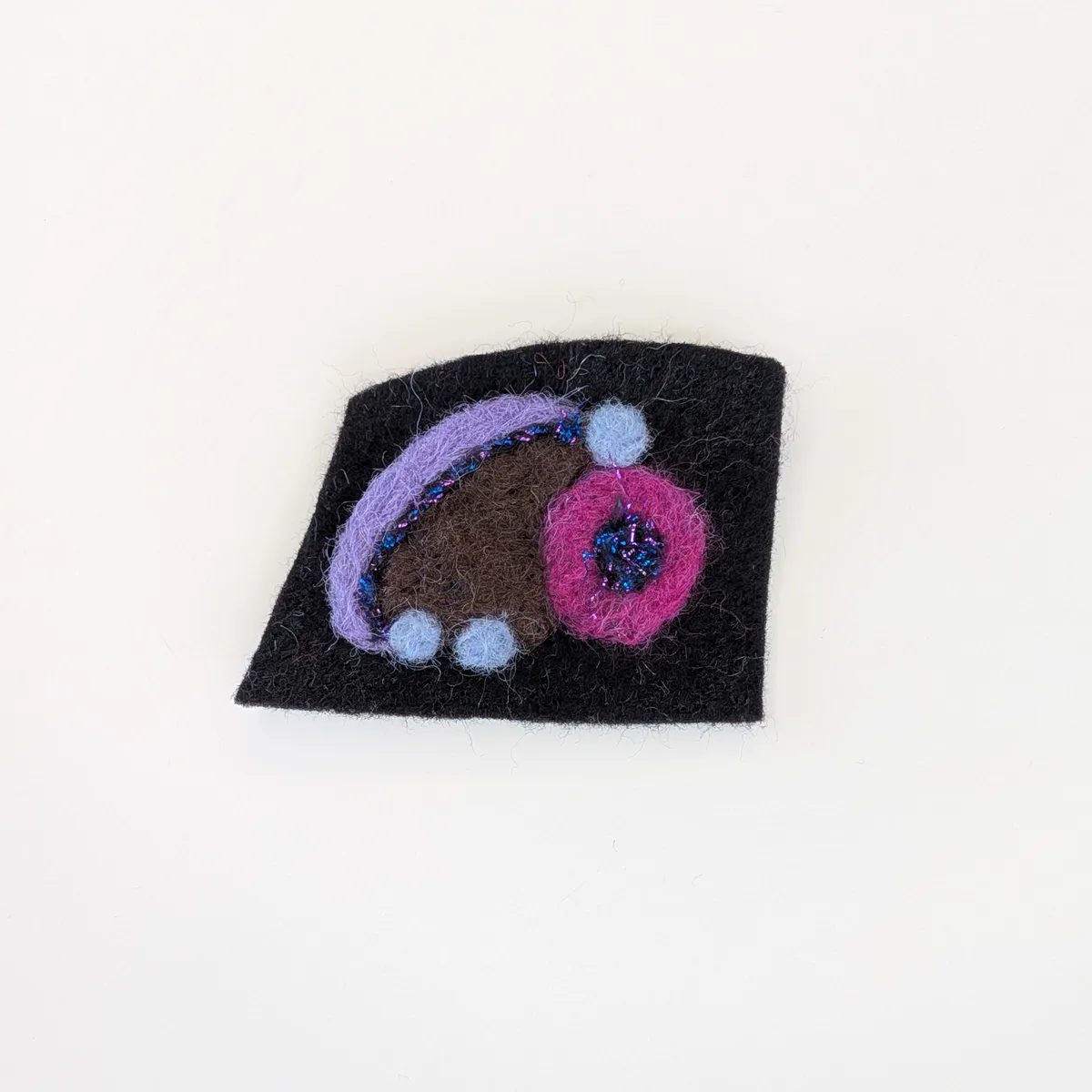
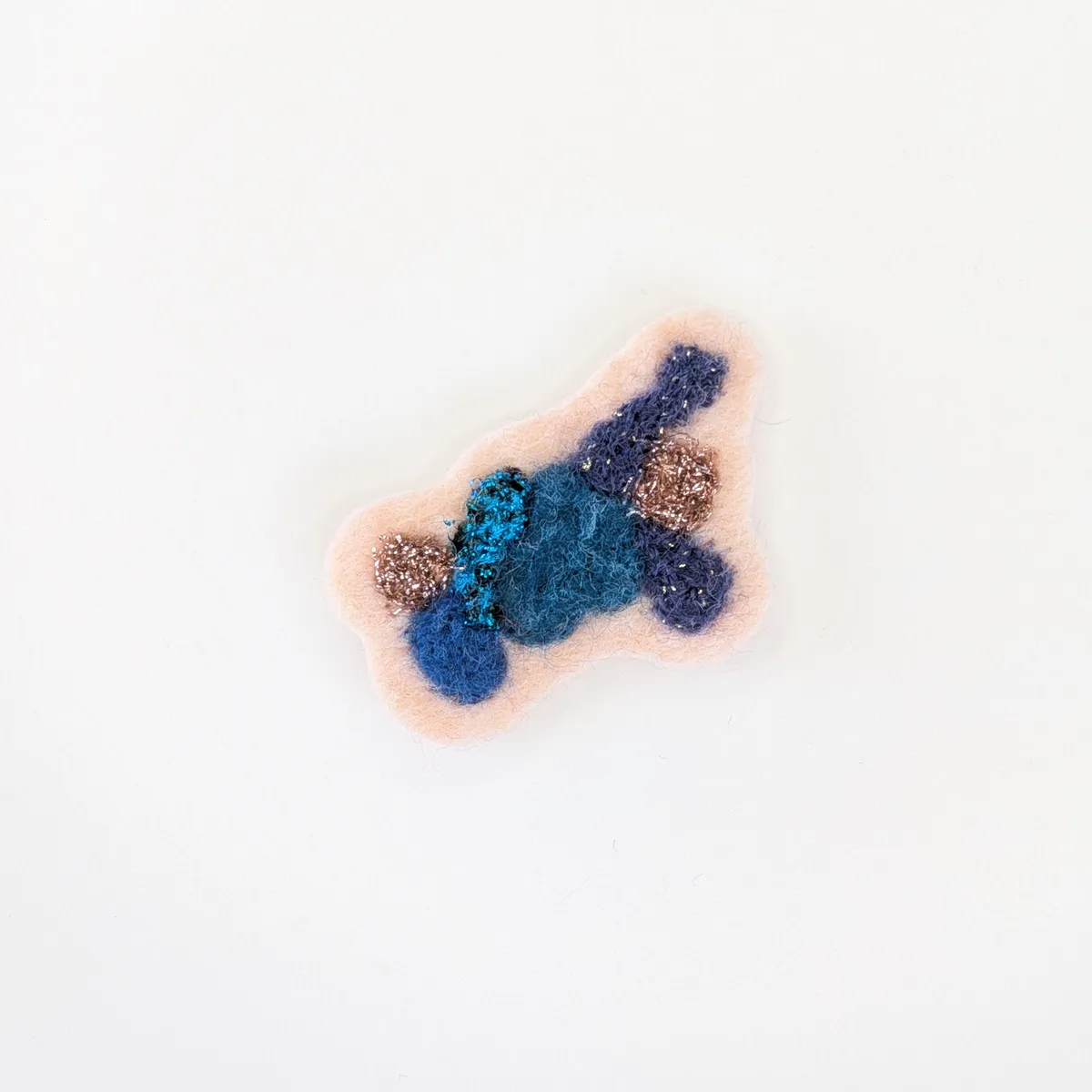
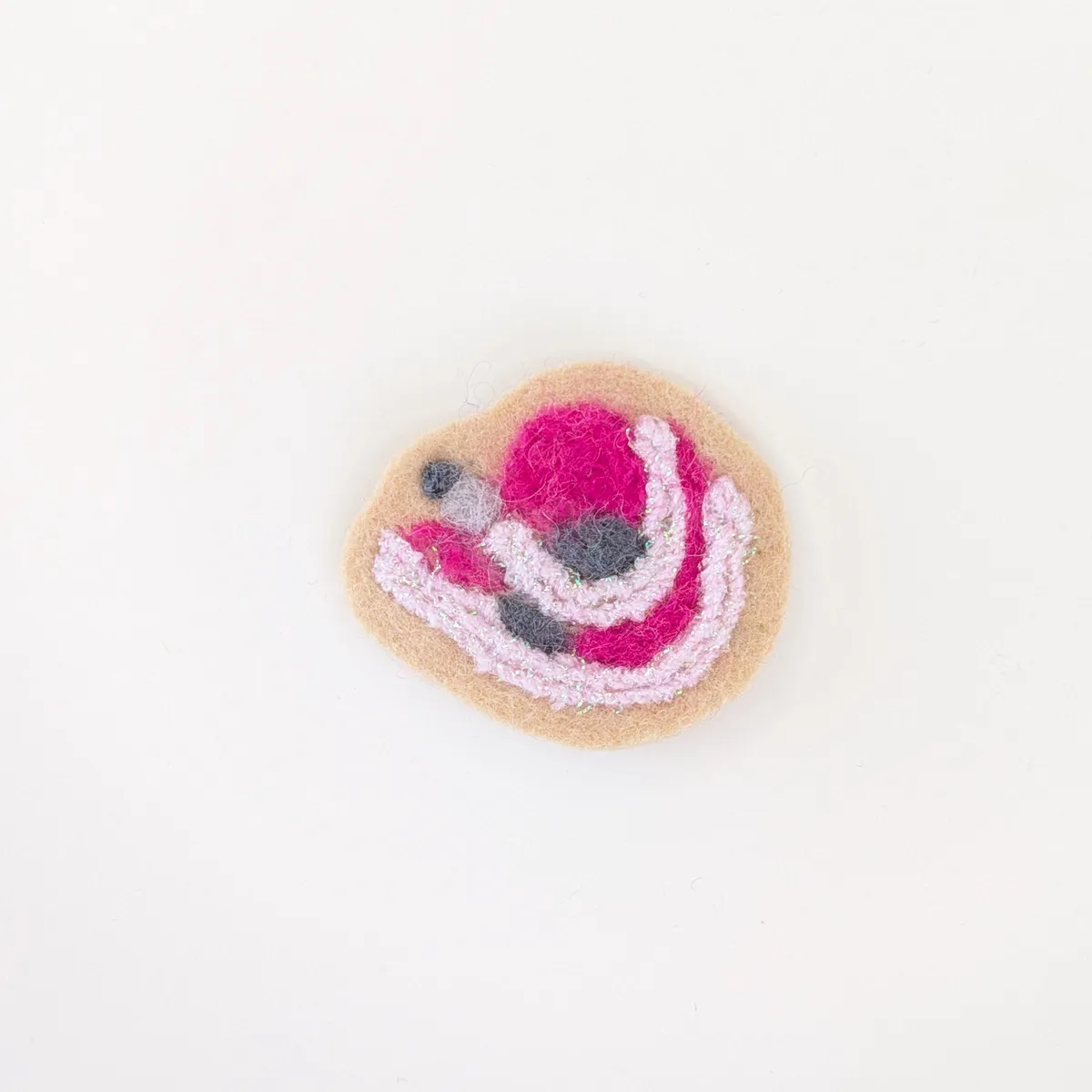
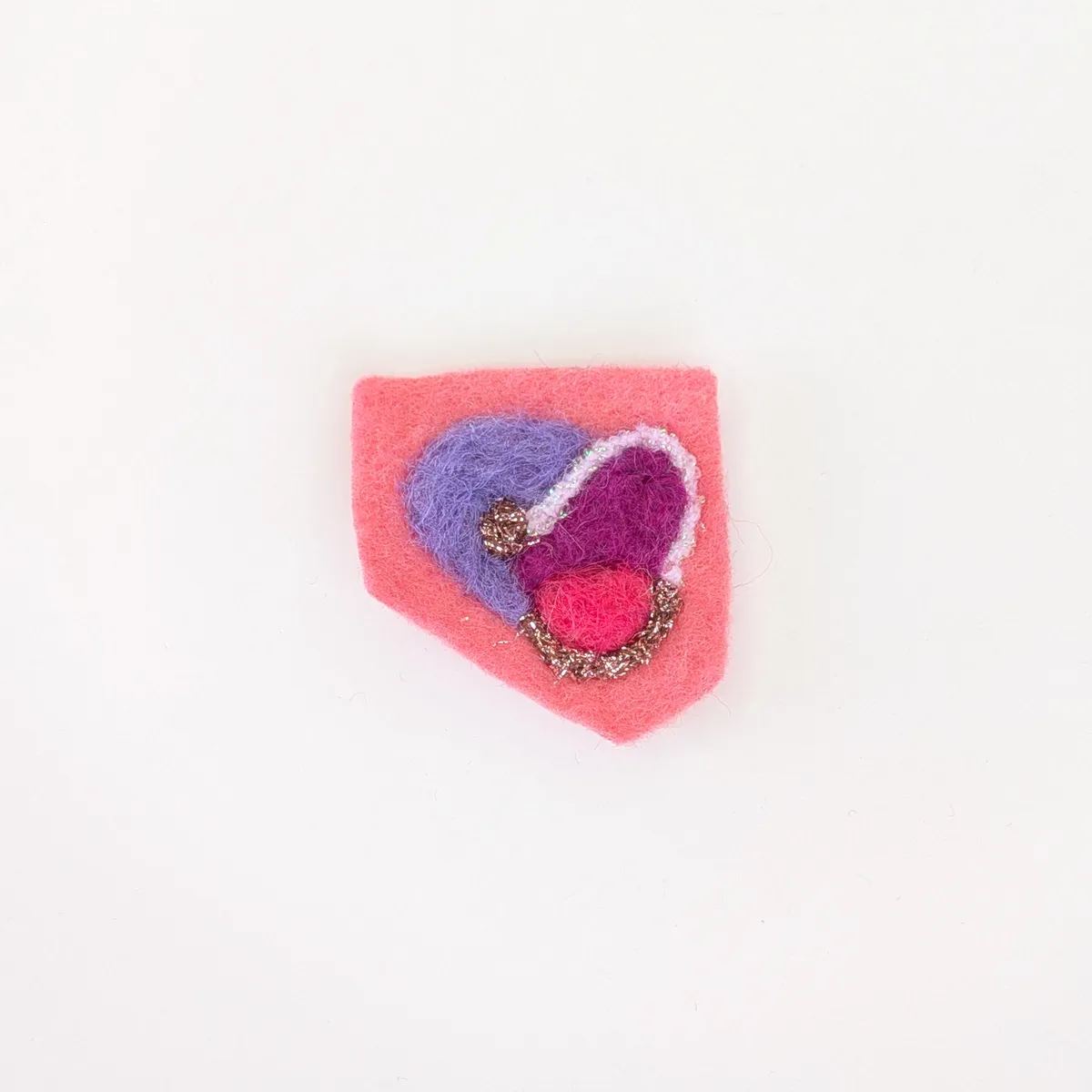
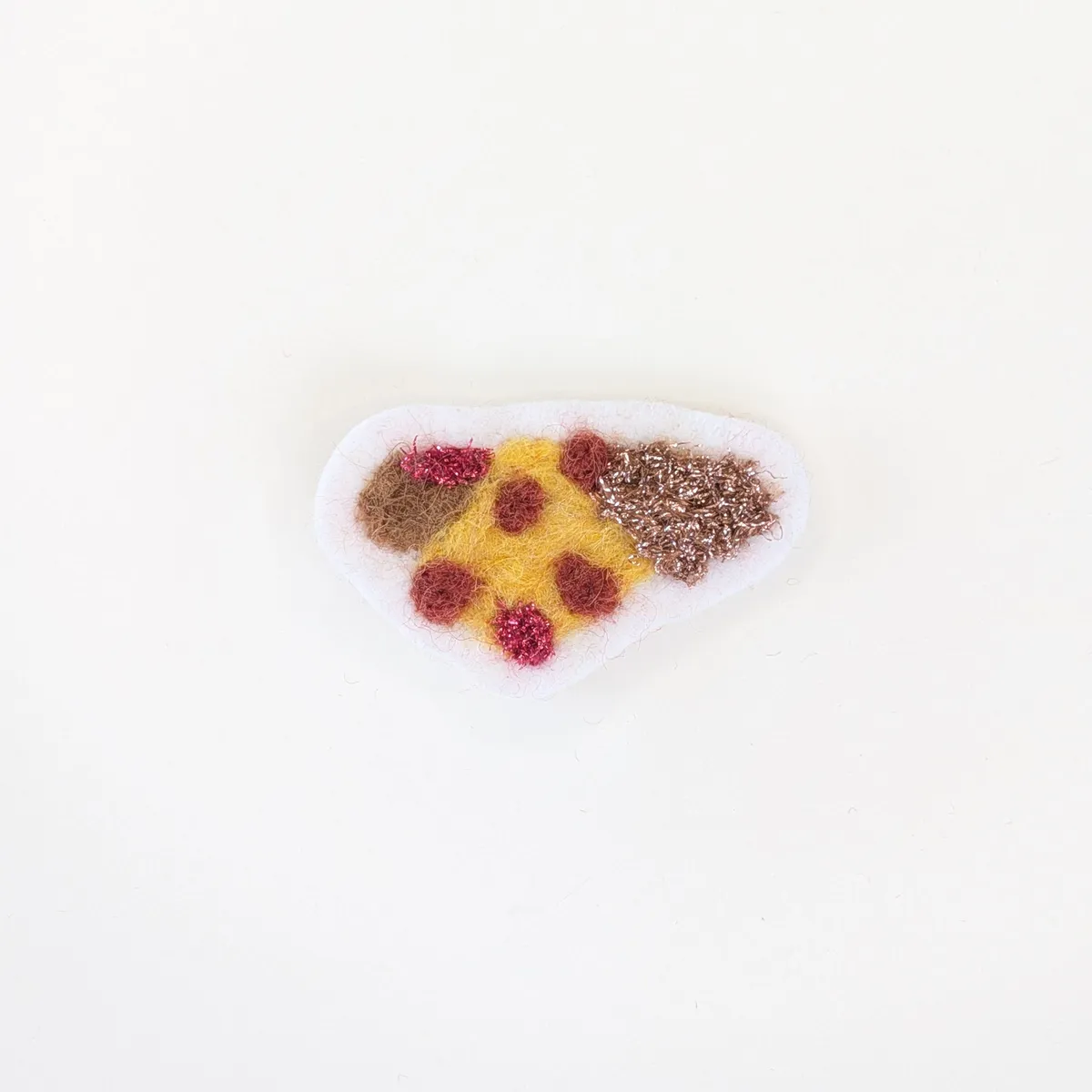
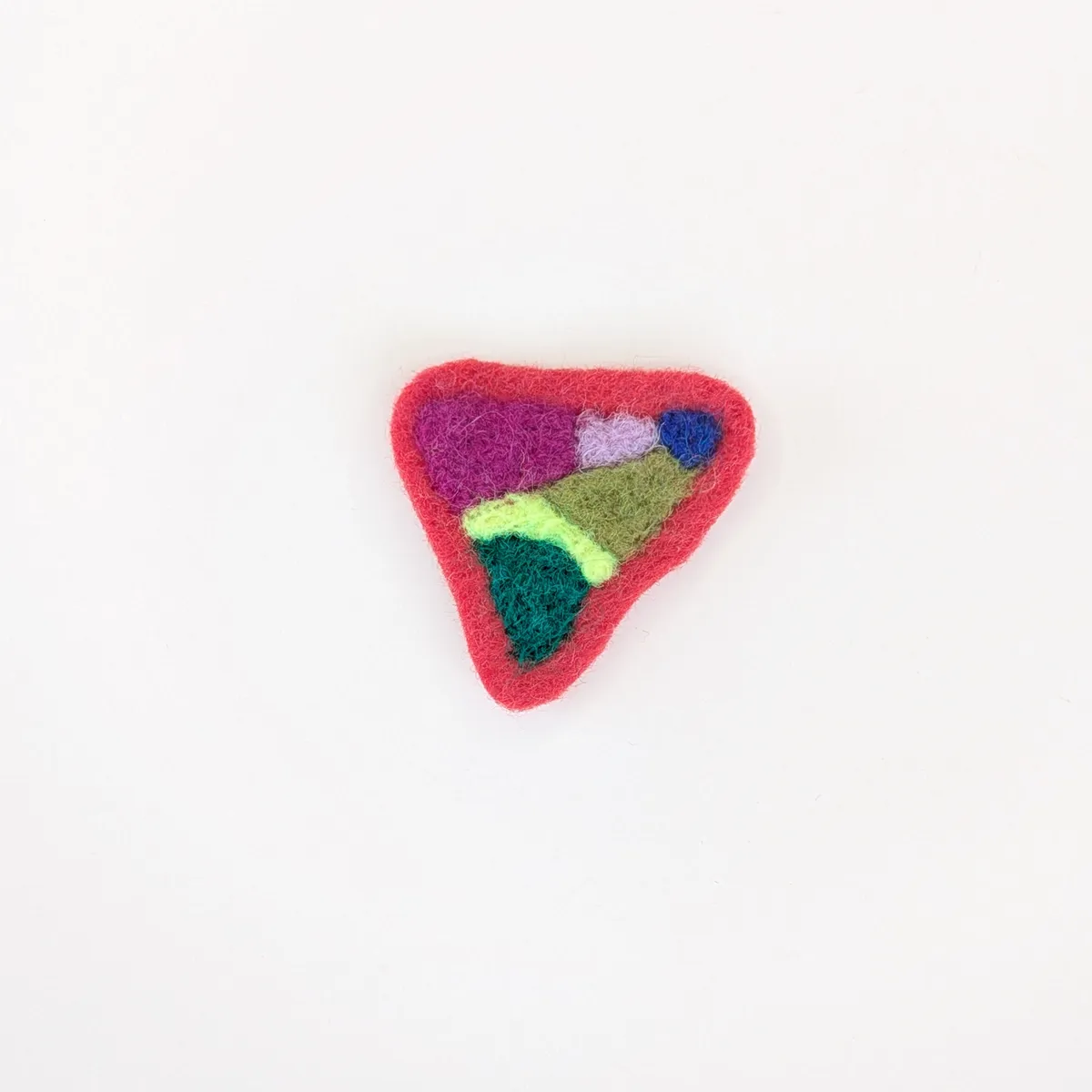
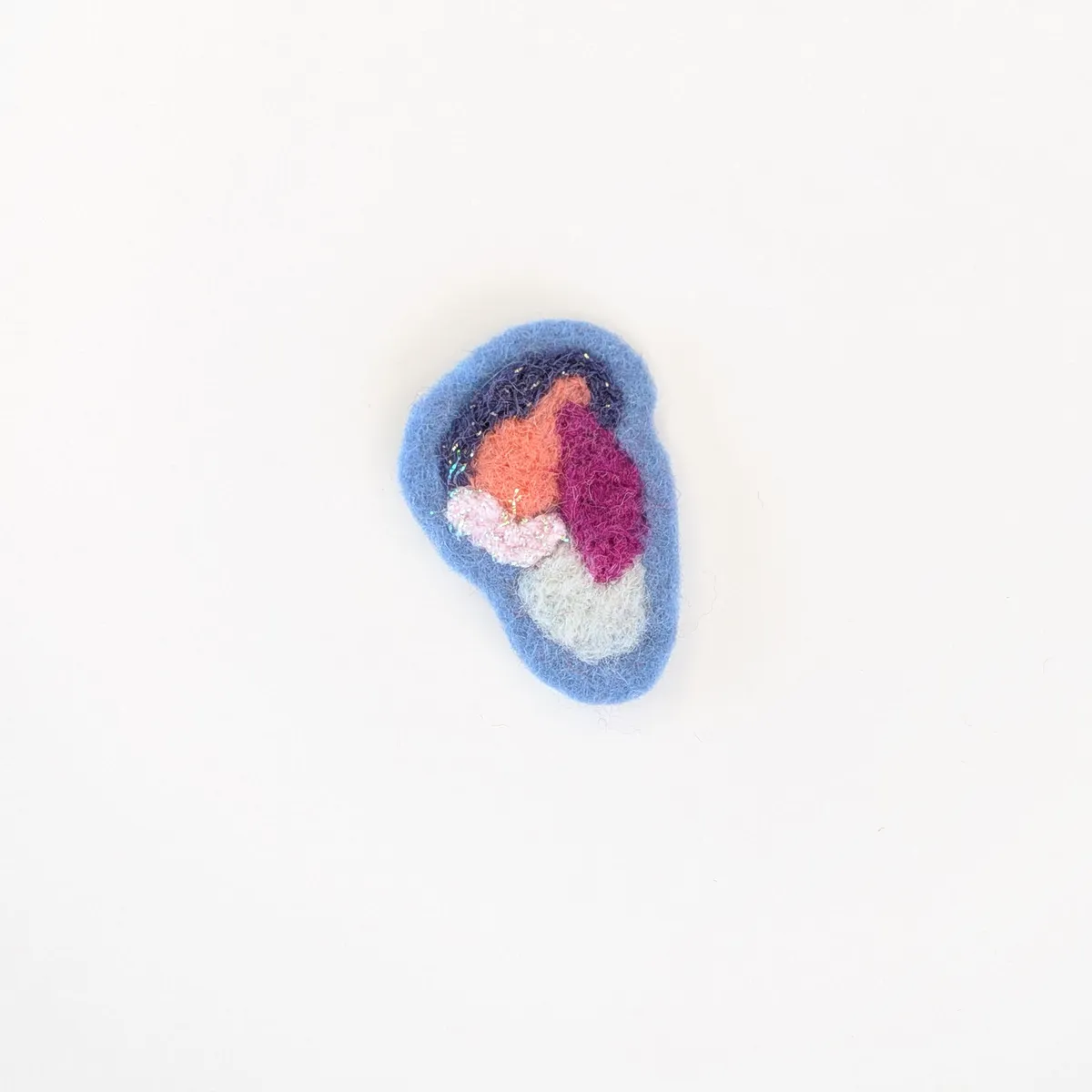
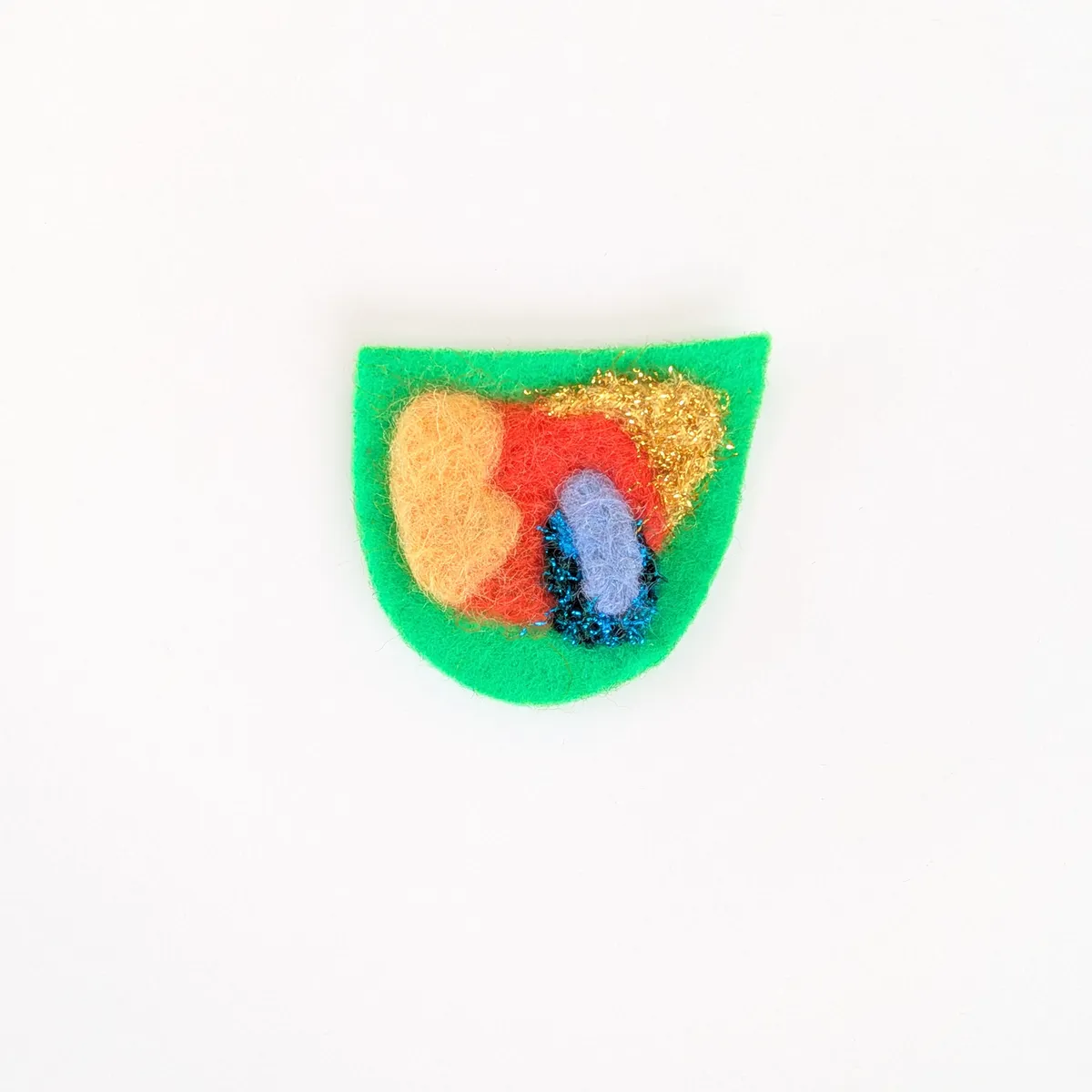
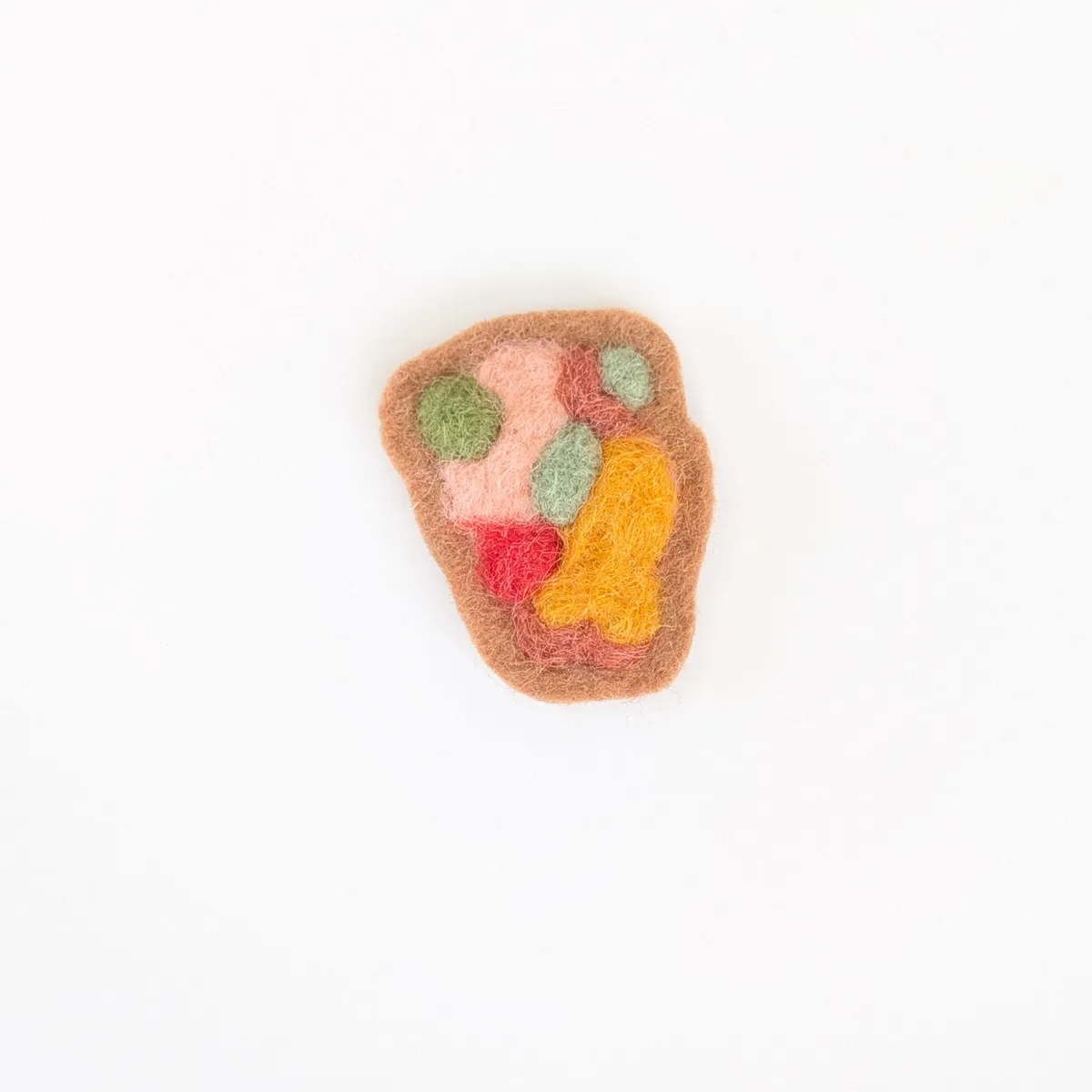
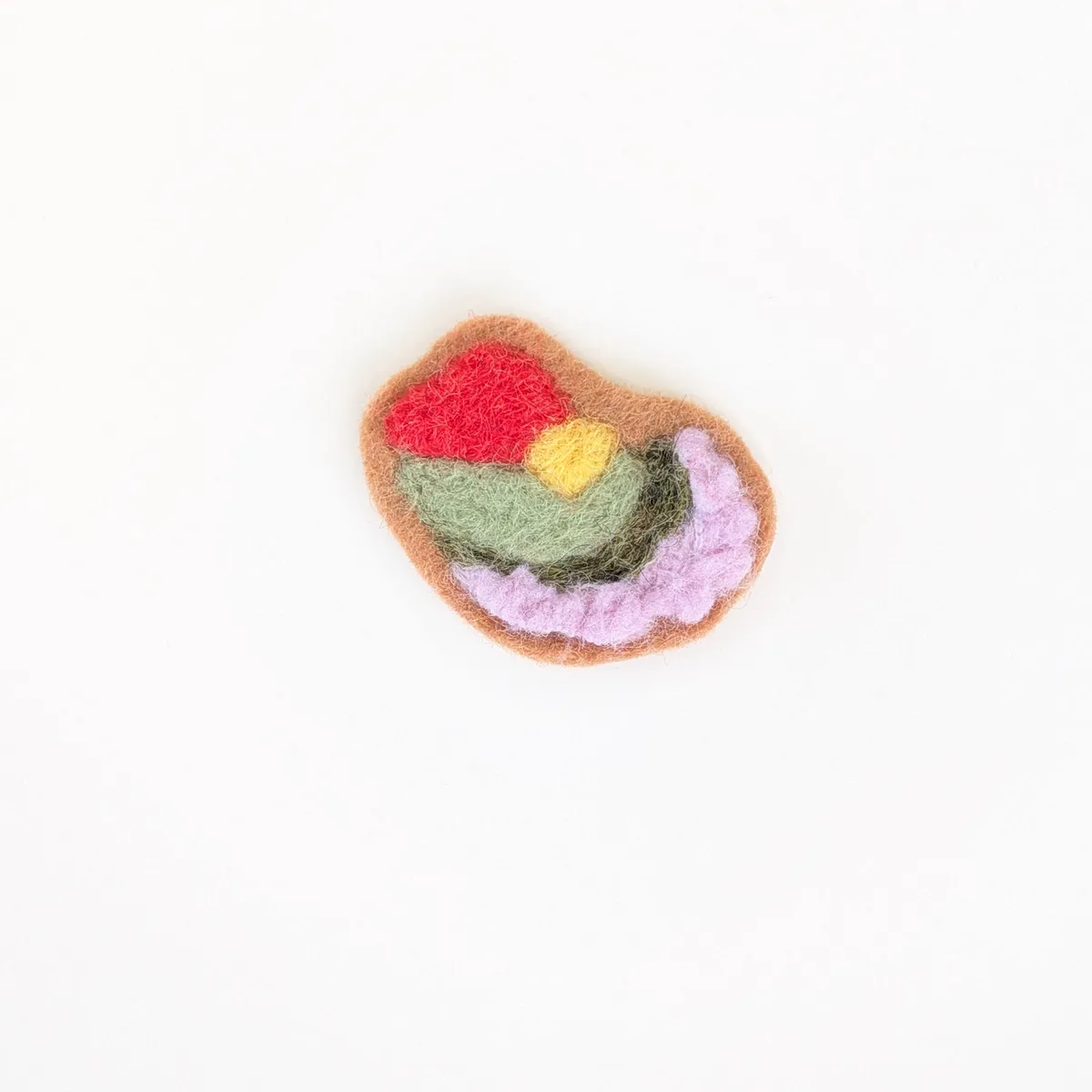
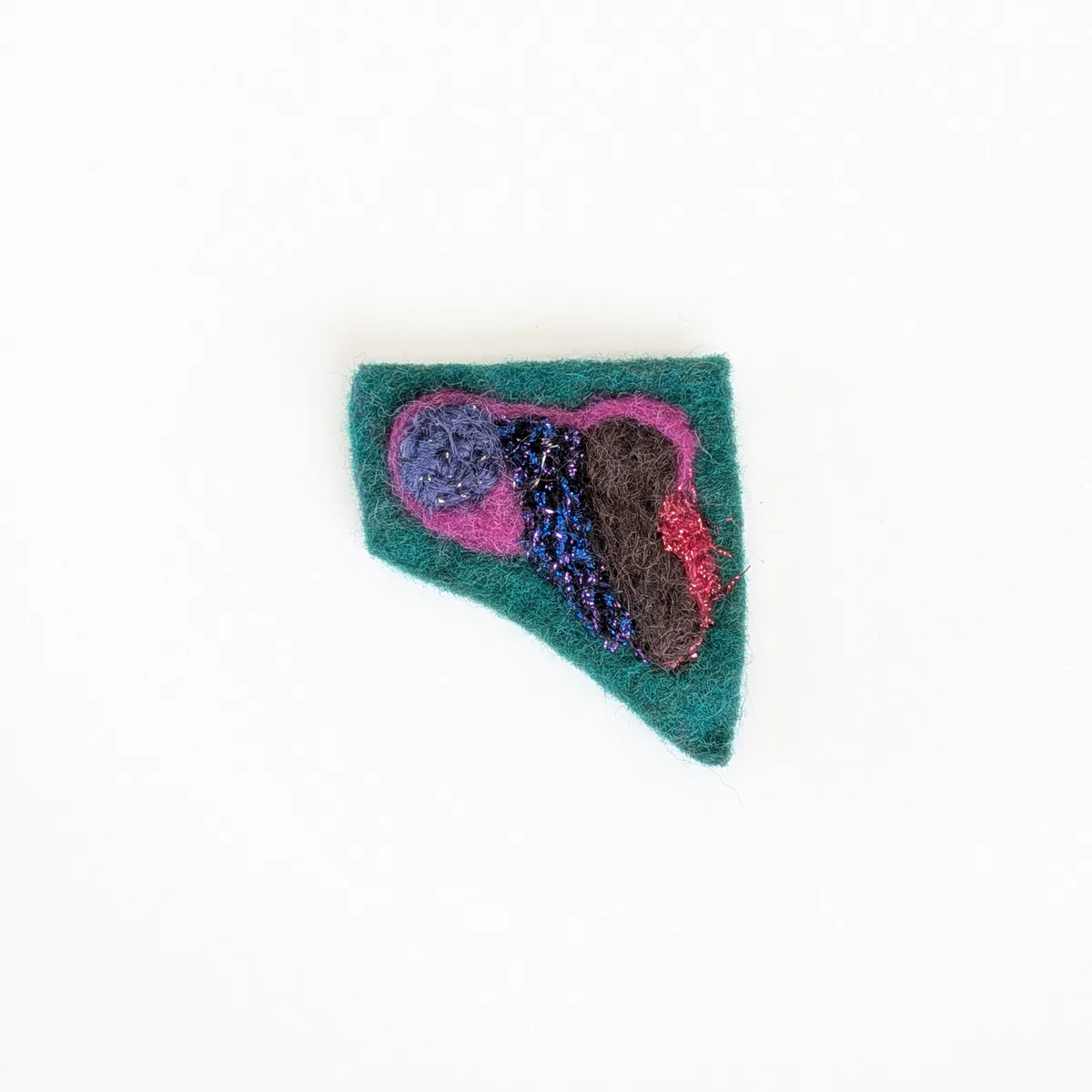
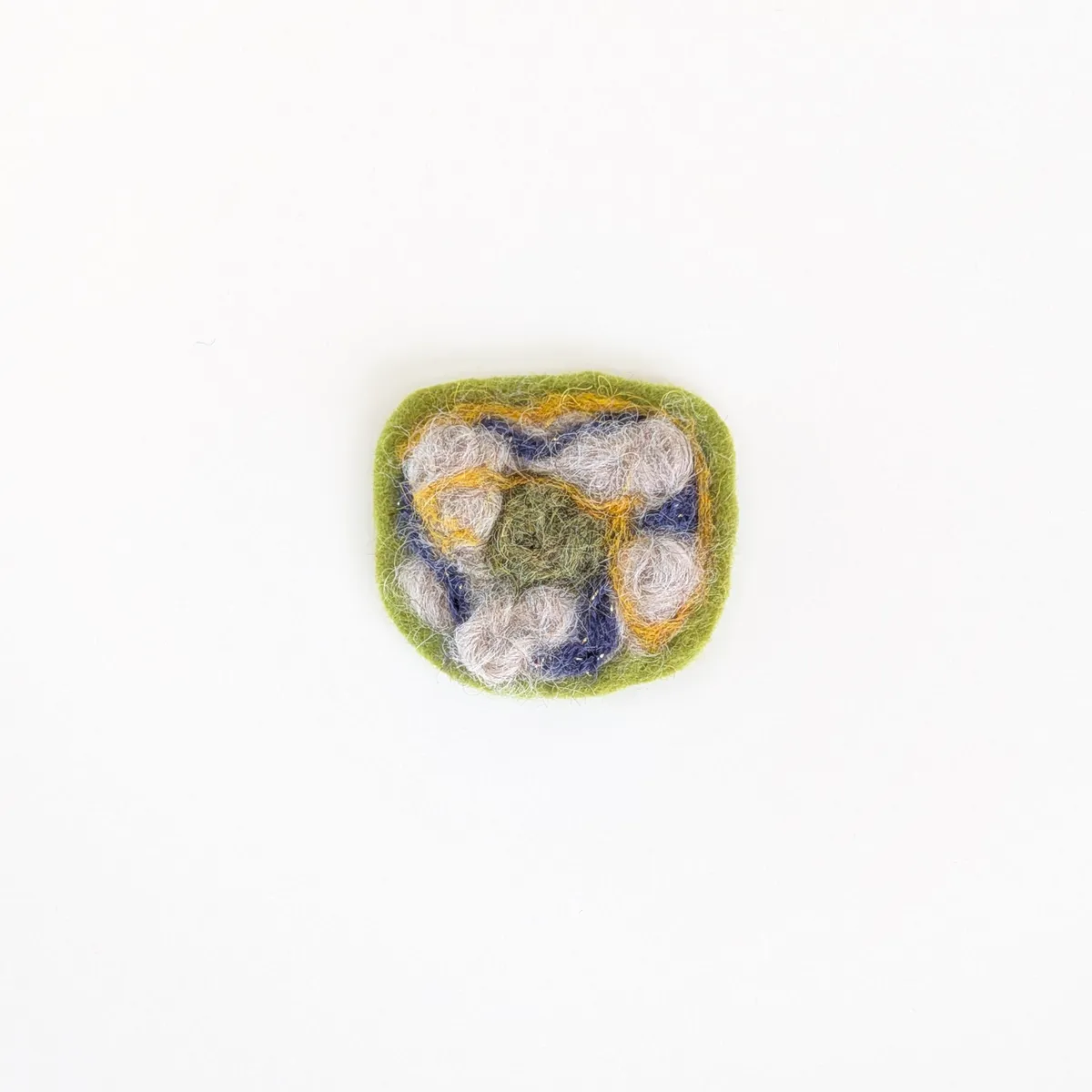
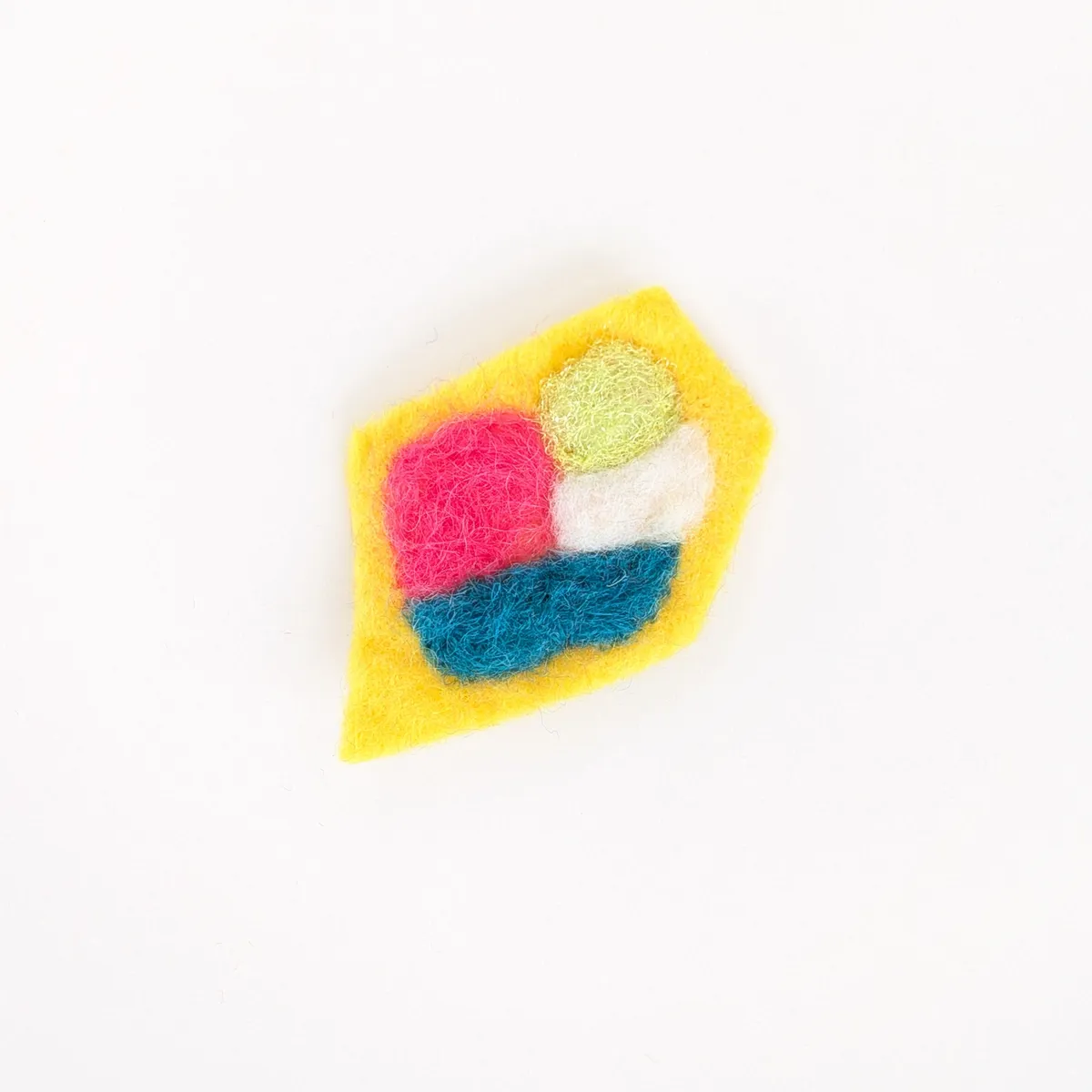
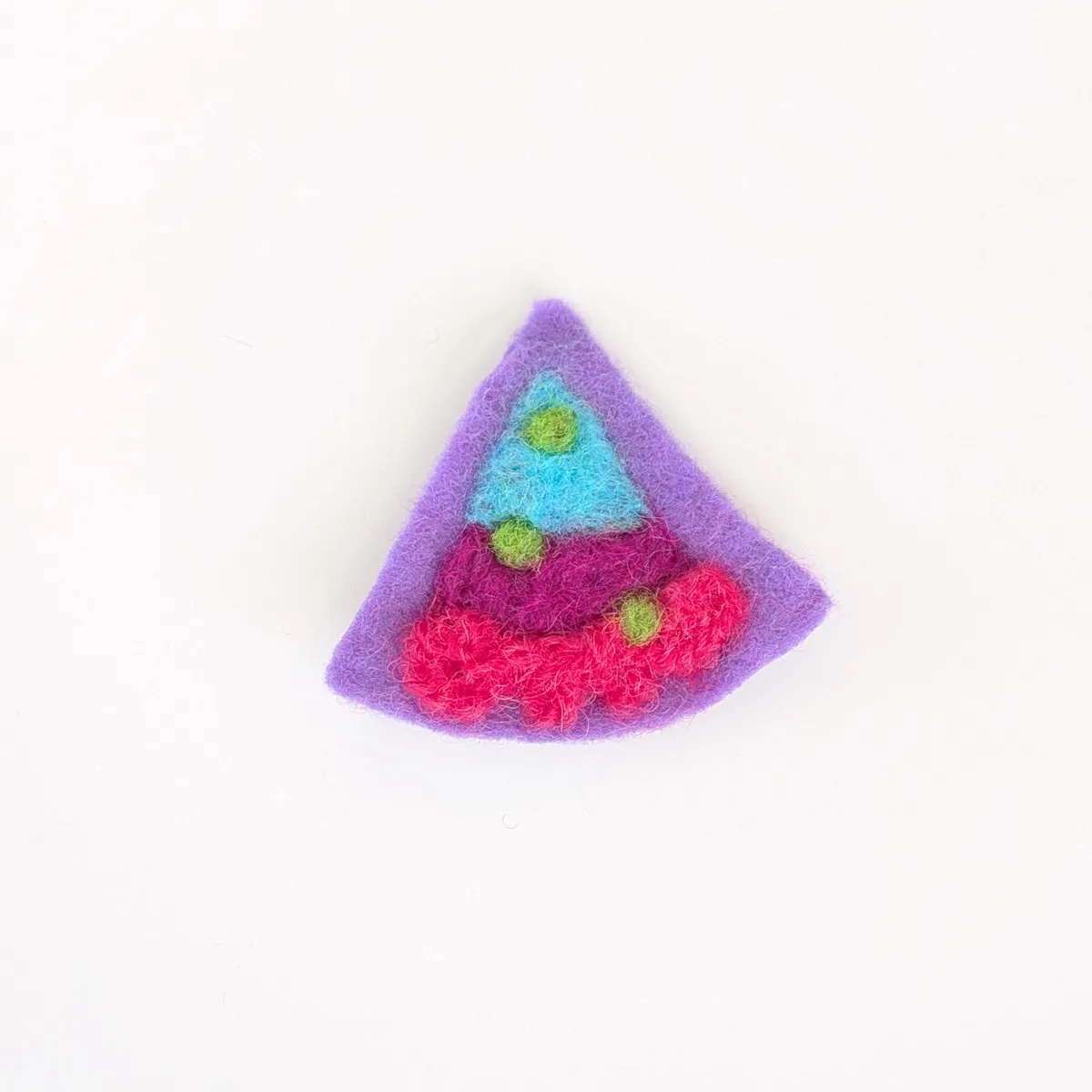

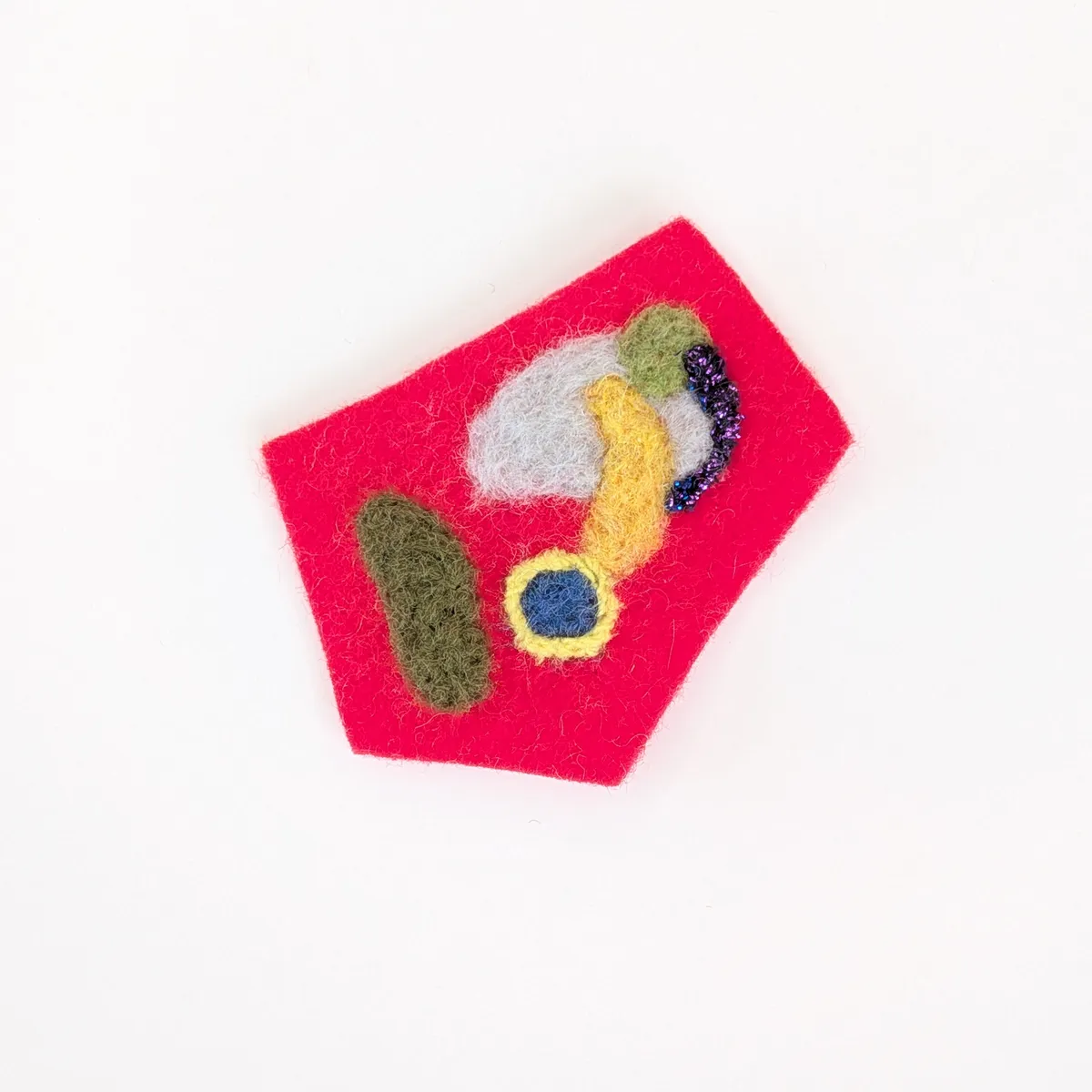
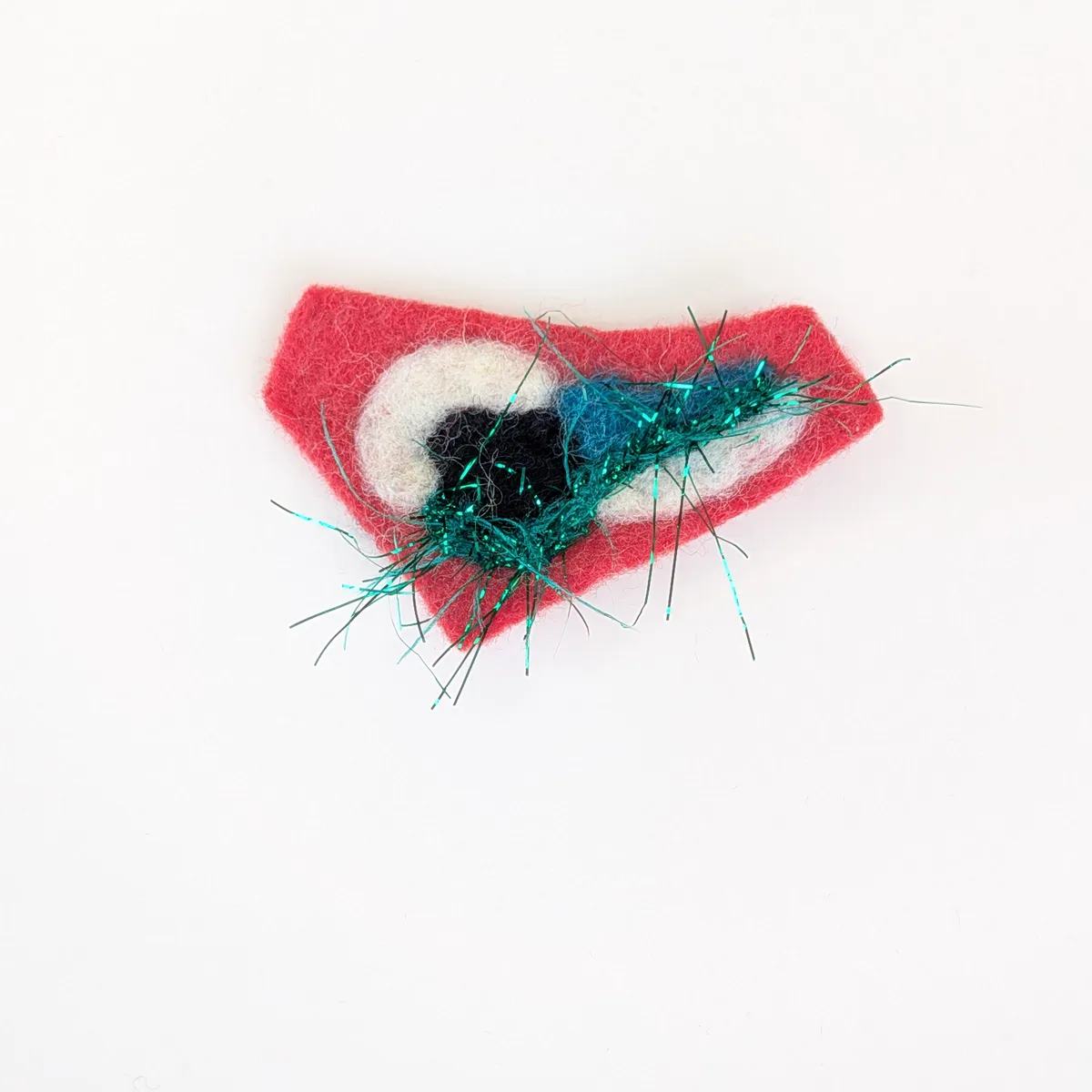
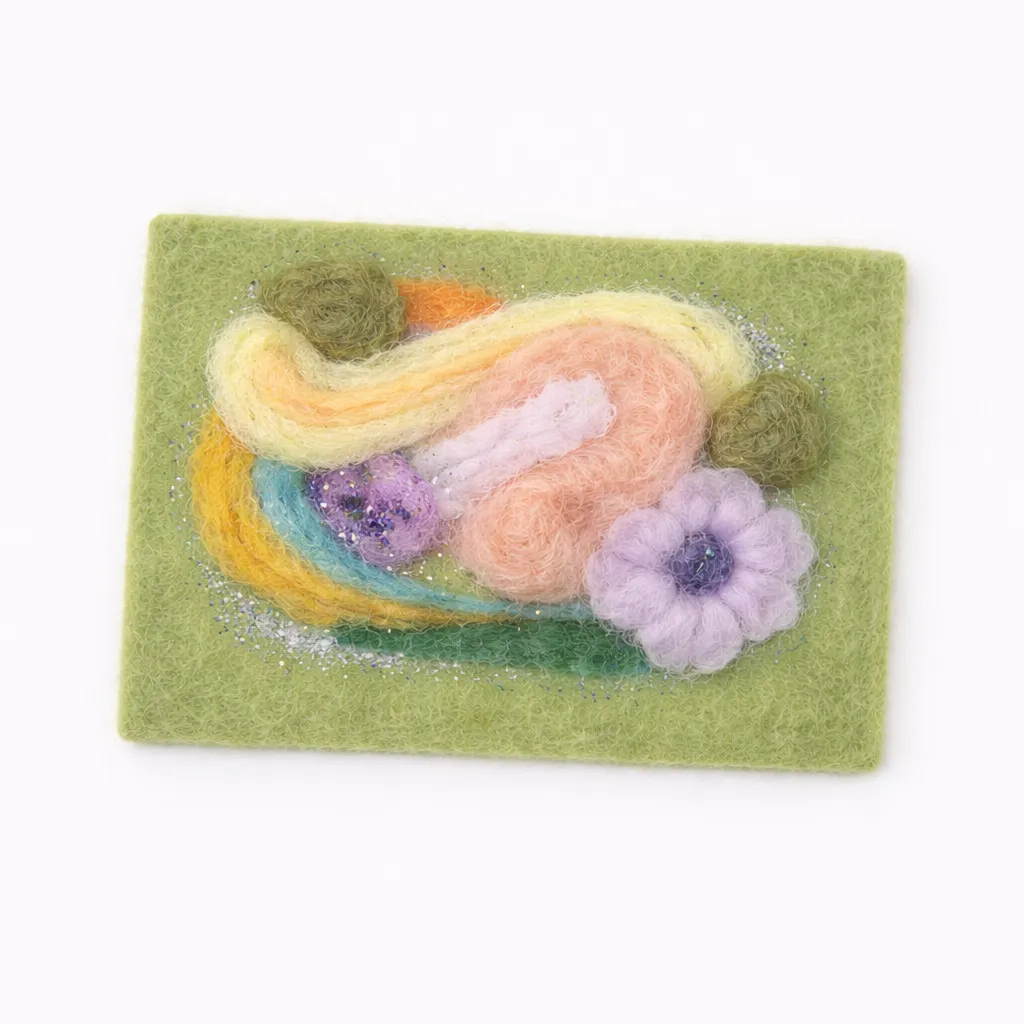
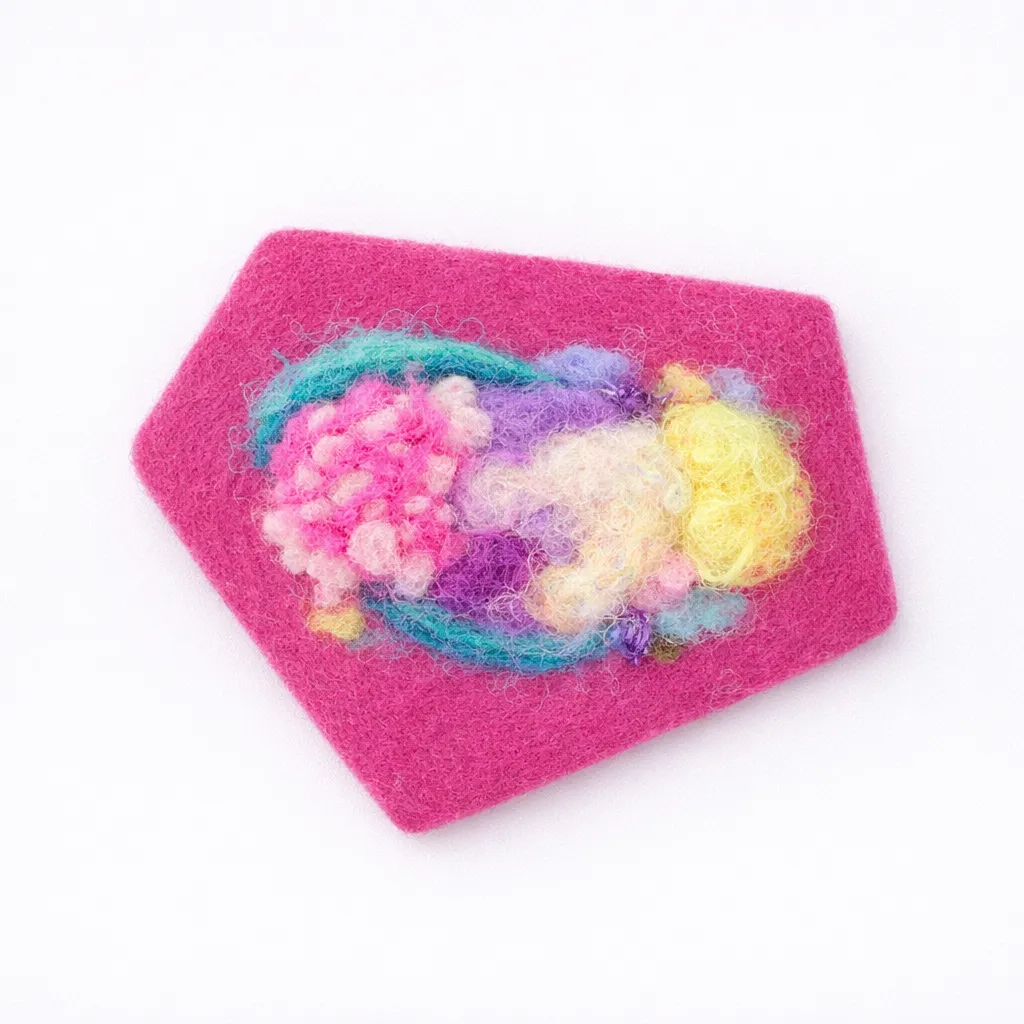
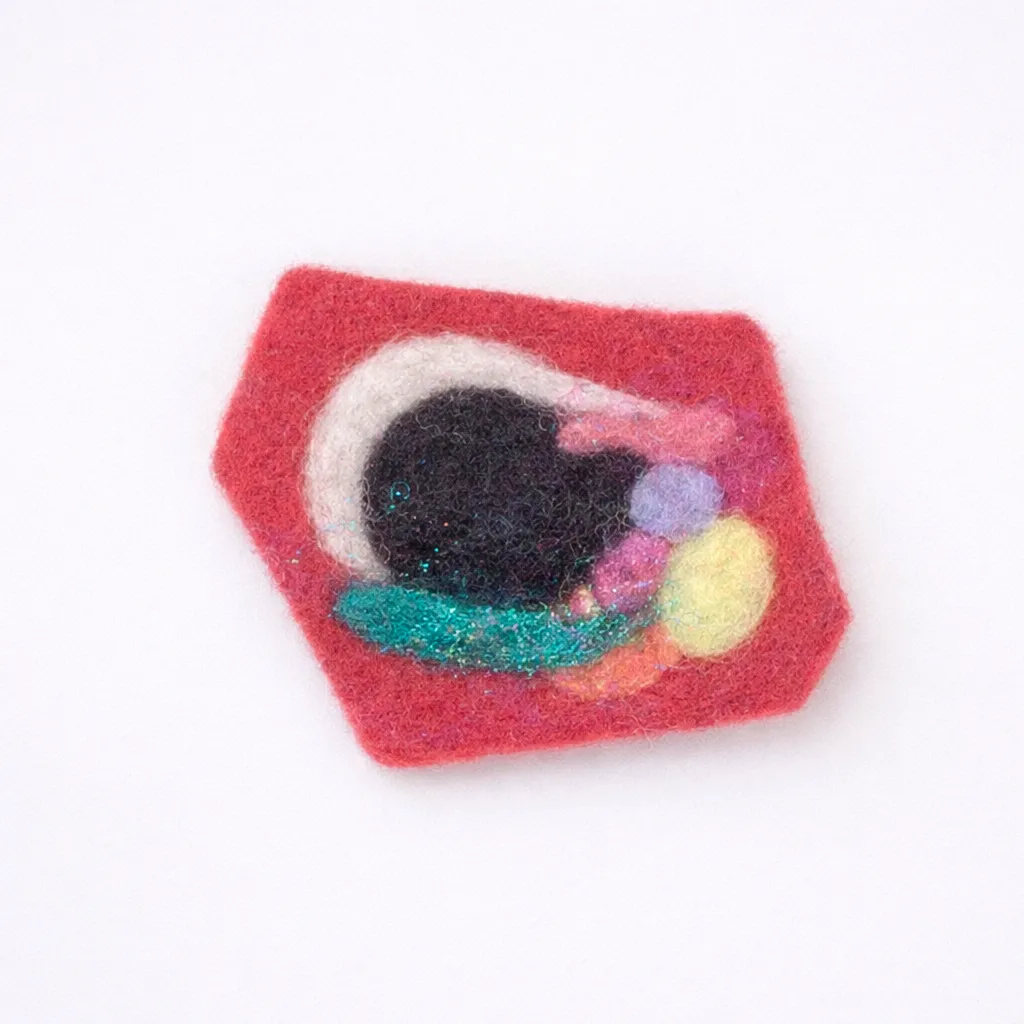
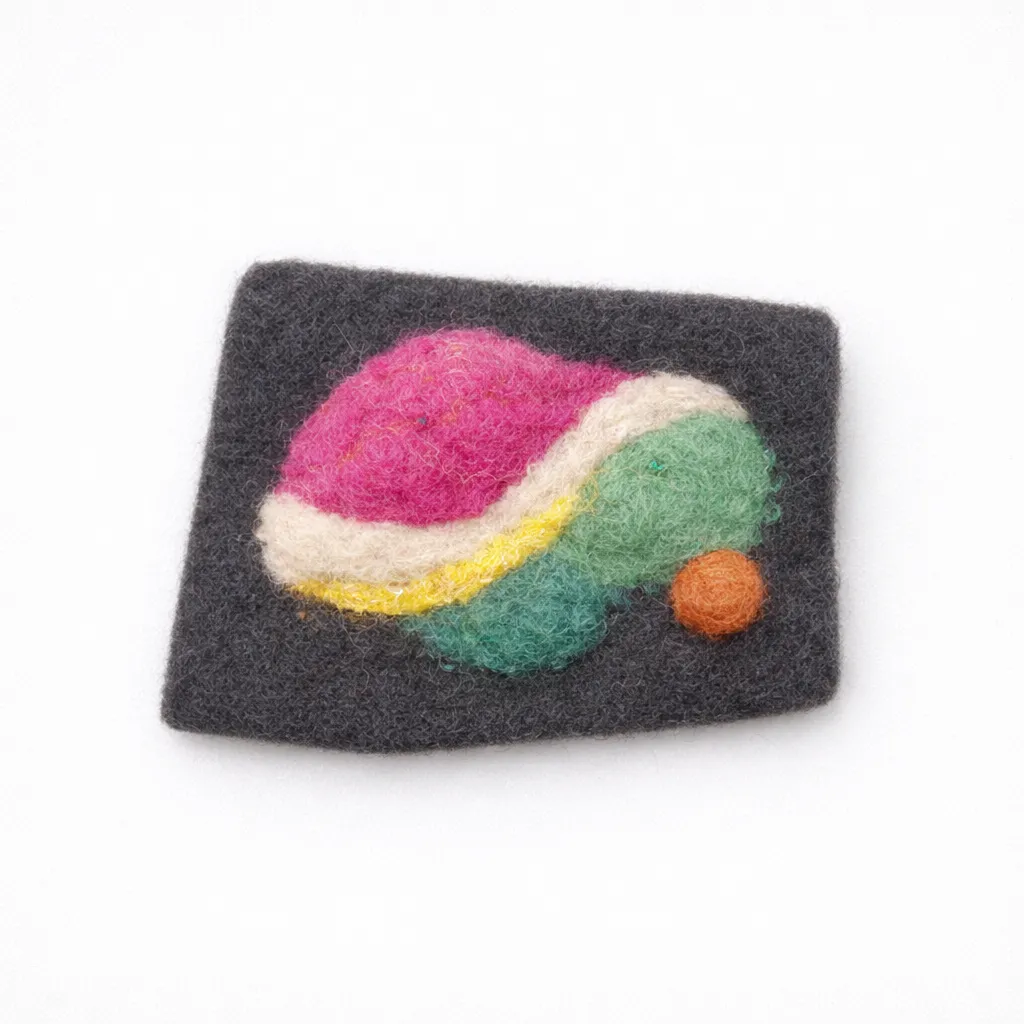
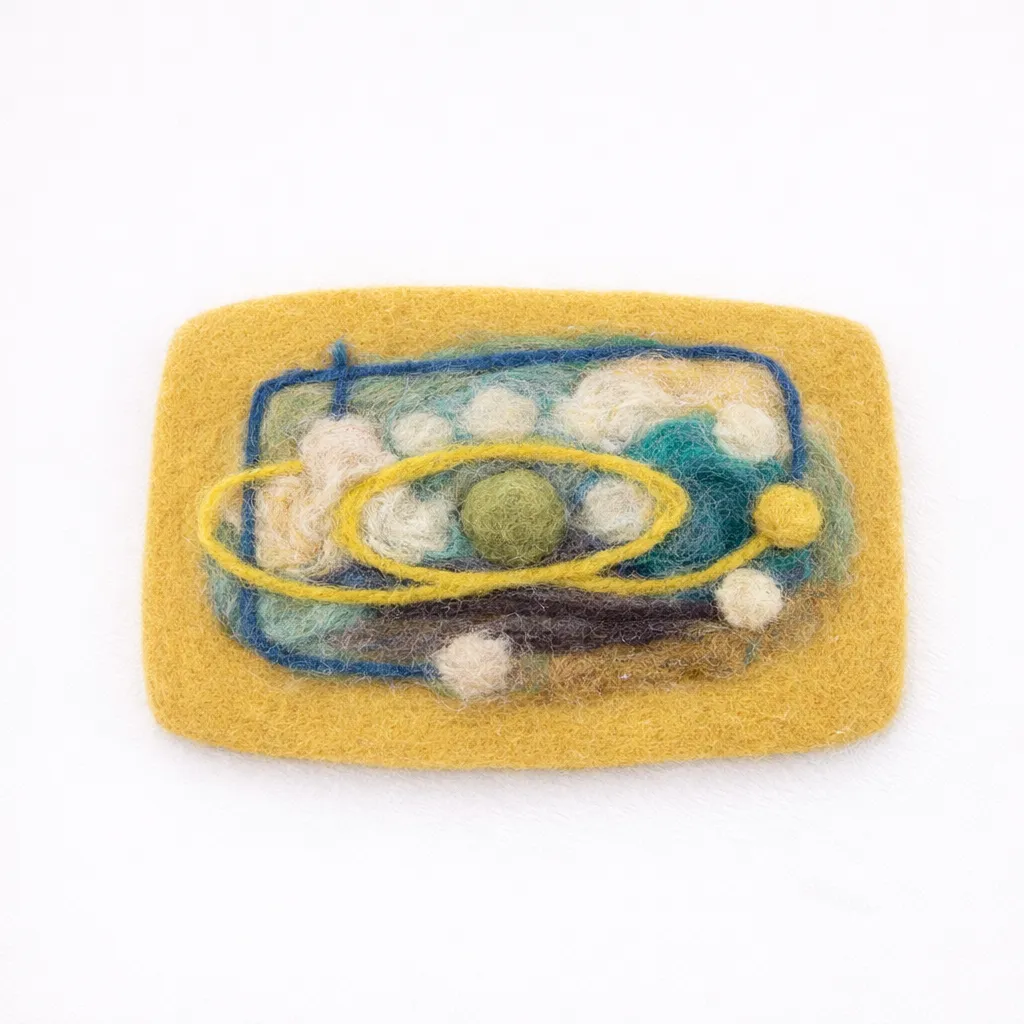
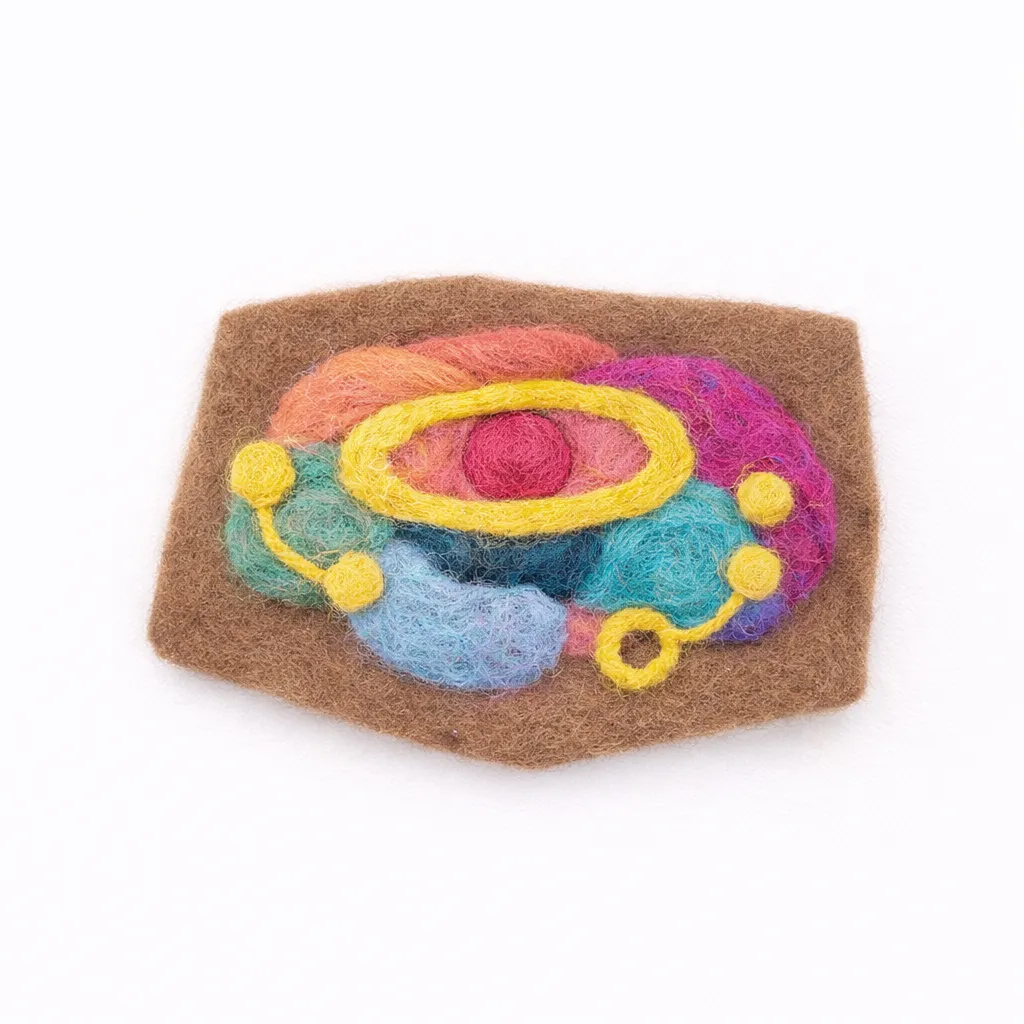
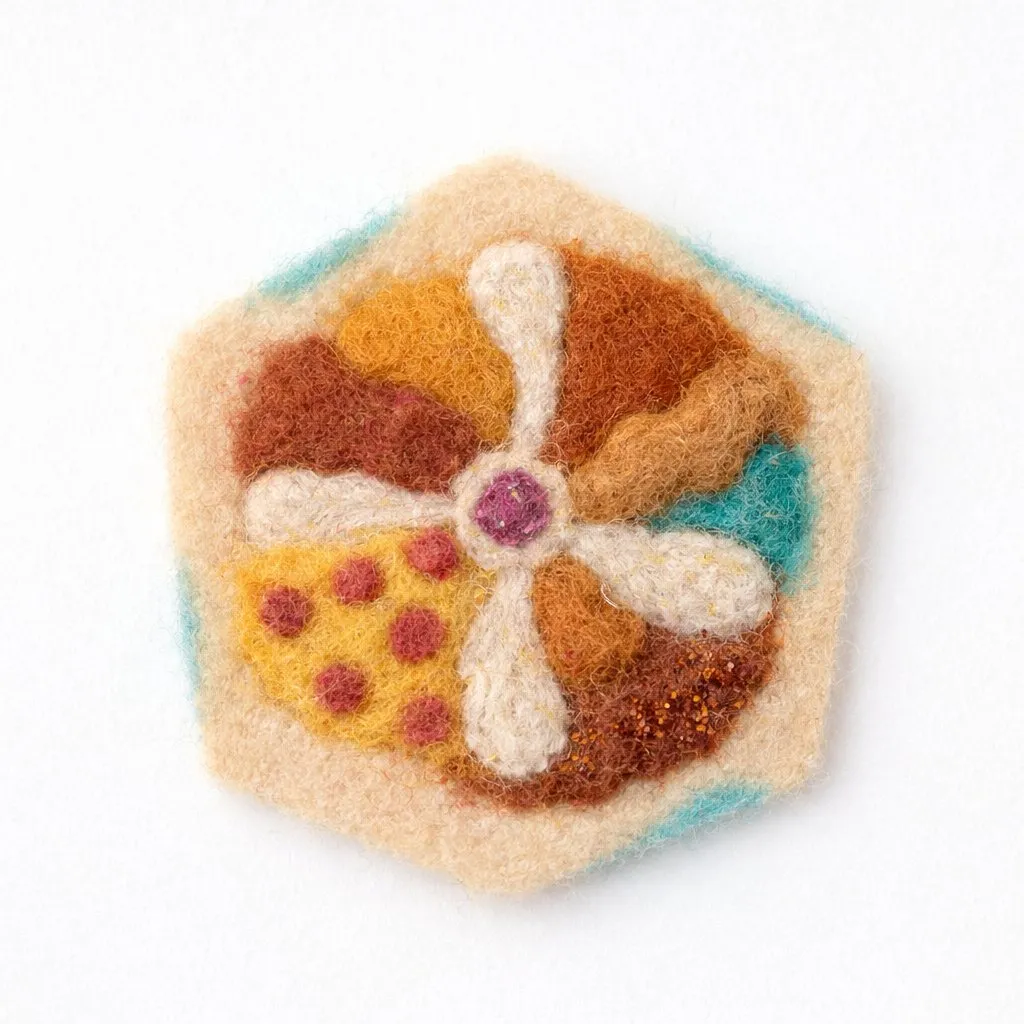
羊毛フェルトで制作した親個体(選抜された40体)
generation 1
羊毛フェルトで制作した100のオブジェを「個体」として扱い、それぞれの特徴をデータとして記録。遺伝的アルゴリズムの考え方に基づいて評価・選抜・交配・変異を行い、AIが20体の子個体を生成しました。
20体の子個体はそれぞれ、親画像2枚と遺伝情報CSVを添えた共通プロンプトによって個別に生成されました。
AI:ChatGPT Plus(GPT-4o / GPT Image 1.5)— OpenAI
parent generation data
process
100体の特徴データをもとに評価・スコアリングを行い、上位40体を選抜。ランダムにペア化して遺伝要素を交配し、5%の確率で変異を加えた。この交配後データと親画像2枚を用いて、以下の共通プロンプトでAIが子個体を1枚ずつ生成した。
generation prompt
[EN]
Attach two parent images as the primary reference, and generate a single image that crossbreeds them.
Observe the parent images’ shape, color, texture, composition, and atmosphere carefully, and naturally integrate them into a “child” — a single flat wool felting work. It should not be a simple copy or average of either parent, but a new individual that blends the characteristics of both.
Also refer to the attached post-crossover/mutation genetic data CSV (pair_id=XX). This CSV indicates:
- color tendencies
- shape properties
- composition and density direction
- texture and impression intensity
The CSV serves as a guideline, not a strict constraint. Use it to orient expression within a range that does not contradict the visual information from the parent images.
The work should be a flat felt piece, not a three-dimensional sculpture. The base felt should have no thickness or dimensionality — wool and yarn are needle-felted onto the surface. Surface relief should be minimal.
Background, lighting, and overall atmosphere should follow the same style as the parent images.
The final image must be recognizable as a “child born from the parent images” while standing as an independent work.
Clearly distinguish between the base felt and the needle-felted wool/yarn on top. The base felt is a pre-shaped, completely flat support with no texture, patterns, or color variation. The needle-felted elements should show slight surface relief with visible fiber layering, density differences, and fuzziness.
CAMERA: Top-down (overhead) view only. No perspective, no angled shadows. Subject centered, no rotation.
BACKGROUND: Pure white, uniform. No paper texture, gradients, stains, or shadow variations.
[JP]
添付した親画像二枚を主な参照として、それらを交配した一枚のイメージを作ってください。
親画像の形状・配色・質感・構成・雰囲気をよく観察し、それらを自然に統合した「子供」となる一つの平面的な羊毛フェルティング作品を生成してください。どちらか一方の単なるコピーや単純な平均ではなく、両親の特徴が混ざり合った新しい個体として表現してください。
あわせて、添付した交配・変異後の遺伝情報CSV(pair_id=XX)を参照してください。このCSVは、子個体の色の傾向・形状の性質・構成や密度の方向性・質感や印象の強弱を示す指針(ガイドライン)です。CSVの内容は厳密な制約ではなく、親画像から受け取れる視覚的情報と矛盾しない範囲で表現の方向づけとして活用してください。
作品は立体彫刻ではなく、平らな布フェルトを土台とした平面作品寄りとしてください。土台の布フェルト自体には厚みや立体感を持たせず、羊毛や毛糸が表面に刺されているような表現を重視してください。基本的な盛り上がりは浅く、表面中心の表現としてください
背景、撮影環境、光の当たり方、全体の雰囲気は、親画像と同じスタイルを踏襲してください。
最終的な画像は、「親画像を元に生まれた子作品」と認識できる一方で、独立した一つの作品として成立している必要があります。
本作品では、土台となる布フェルトと、その上に刺し付けられた羊毛・毛糸部分を明確に区別して表現してください。土台の布フェルトは、あらかじめ成形された完全に平坦な支持体であり、厚み・盛り上がり・立体的な起伏を持たないものとしてください。土台フェルトは常に単色で構成し、模様、色の切り替え、装飾的な要素は加えないでください。表面は均一で、構造的な凹凸は最小限に留めてください。
一方で、上から刺された羊毛や毛糸の部分は、土台表面からわずかに盛り上がり、繊維の重なり・密度の差・毛羽立ちが視認できるようにしてください。土台と同一の面として溶け込ませず、「後から加えられた素材」として識別できる表現を重視してください。
土台フェルトと刺し羊毛の境界は、素材感や影の出方の違いによって自然に判別できるようにし、全体として平面作品であることは維持してください。
撮影条件:カメラは被写体の真上(トップダウン)からの俯瞰撮影に固定。斜め視点・パース・立体的な影が強く出る角度は避け、平面作品として自然に見えるようにしてください。被写体は画面中央に配置し、回転はさせず、水平・垂直が保たれた状態で写してください。
背景条件:背景の余白は完全に無地の白(均一な純白)にしてください。紙・画用紙・布目などのテクスチャ、グラデーション、汚れ、影のムラを入れないでください。
children
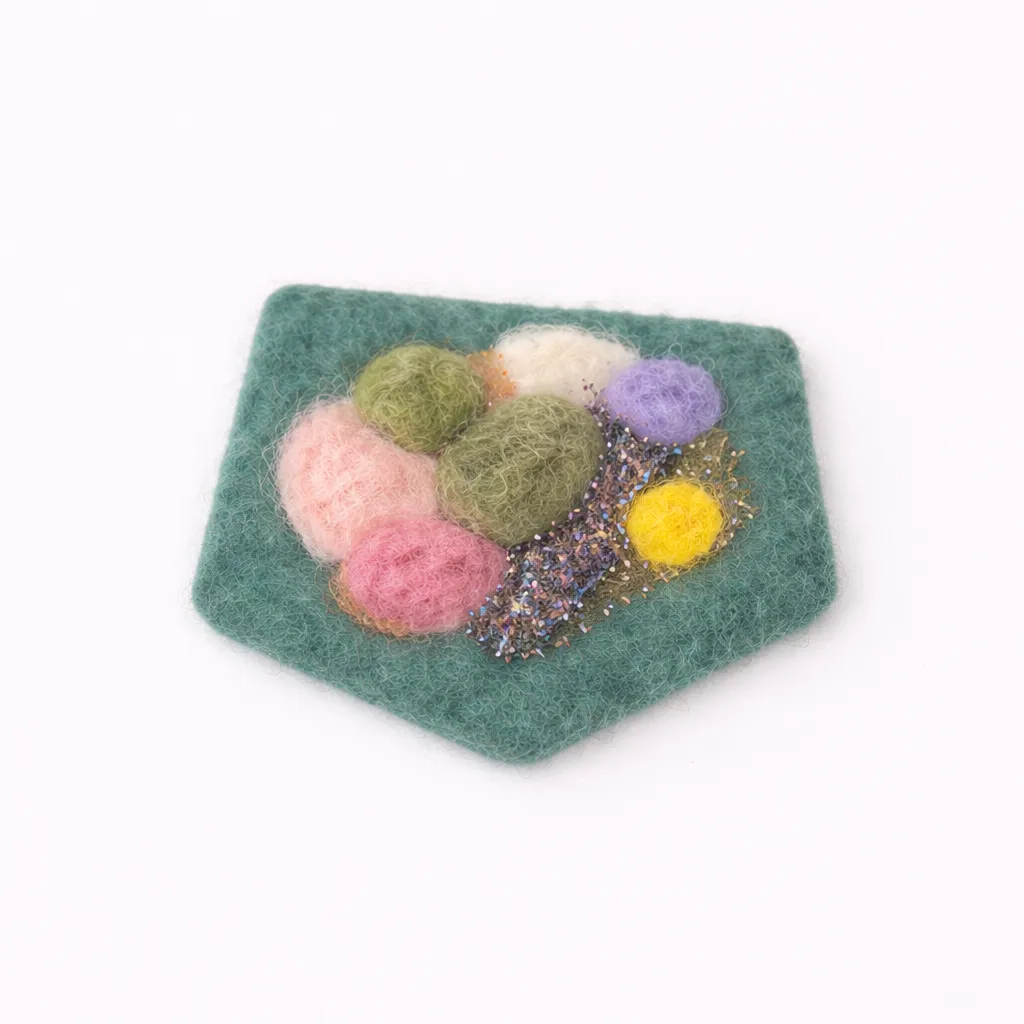
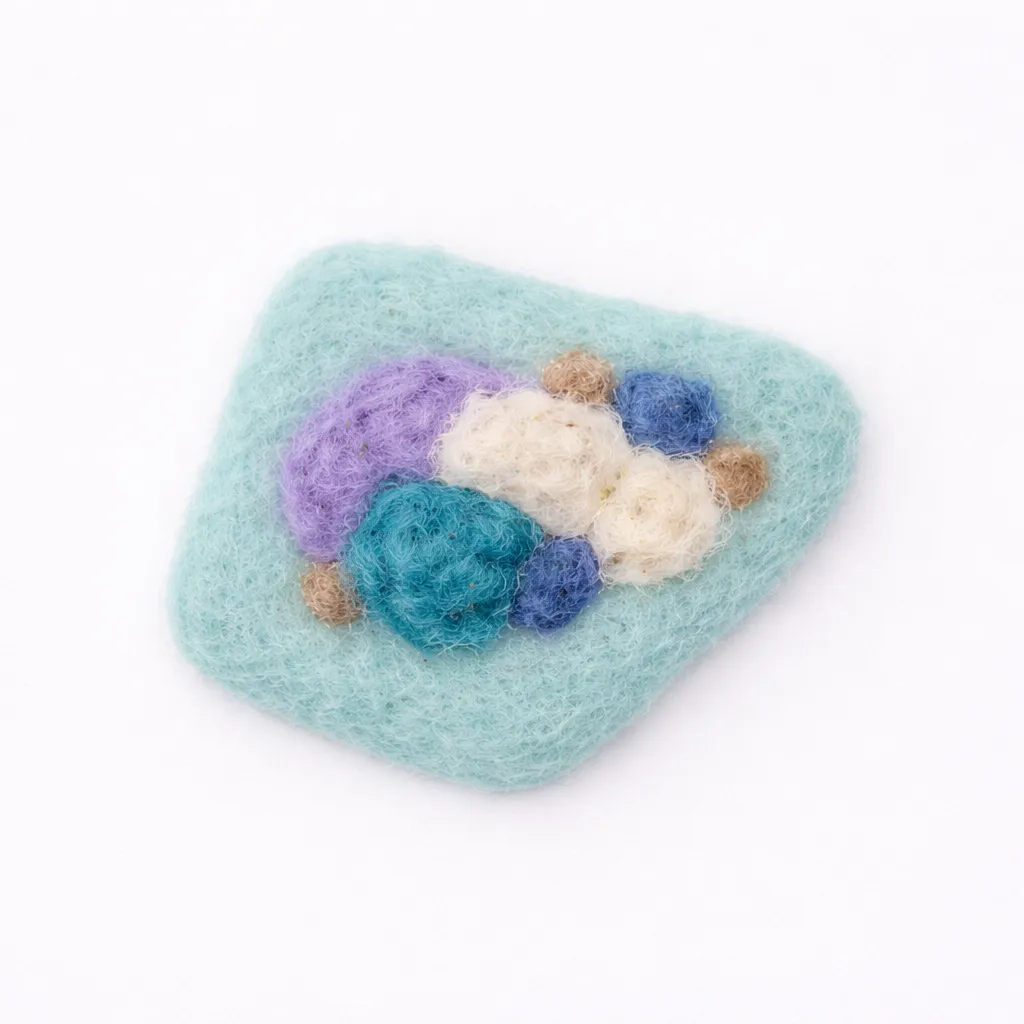
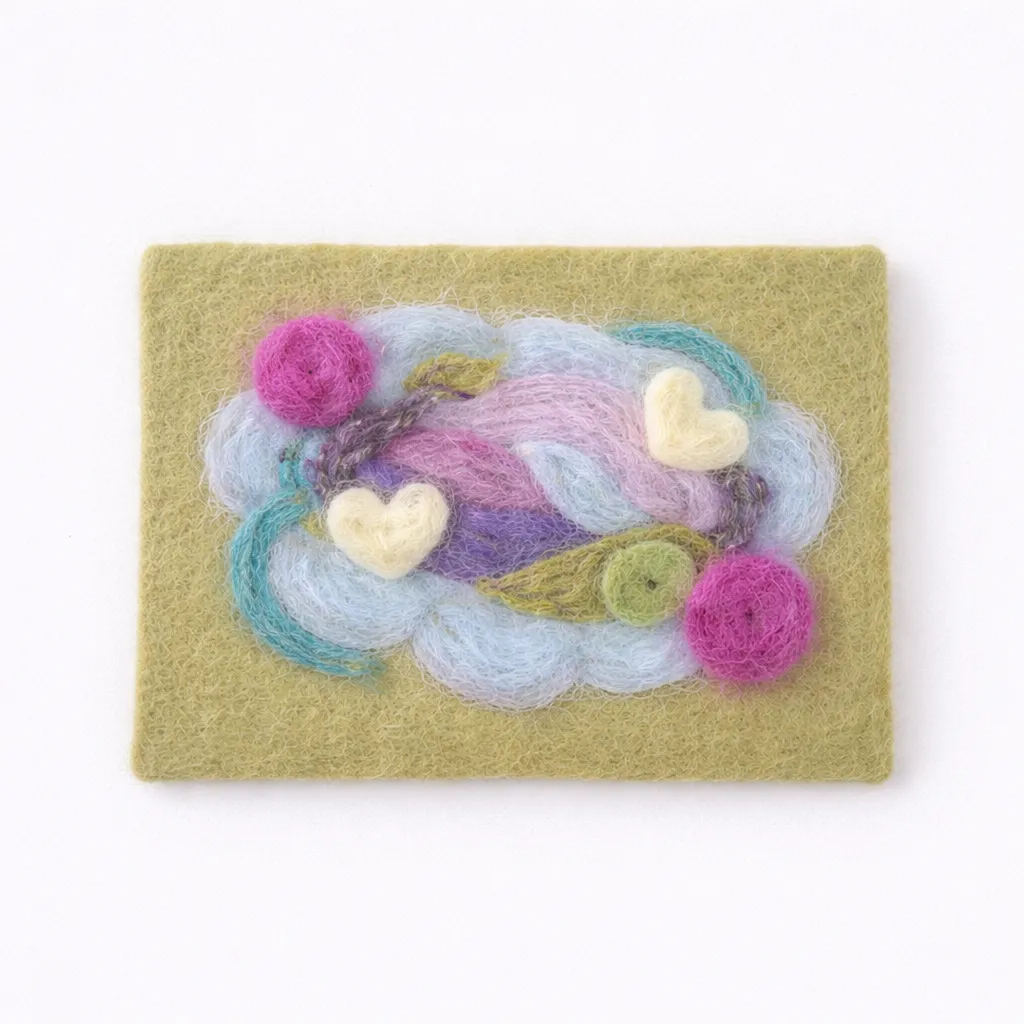
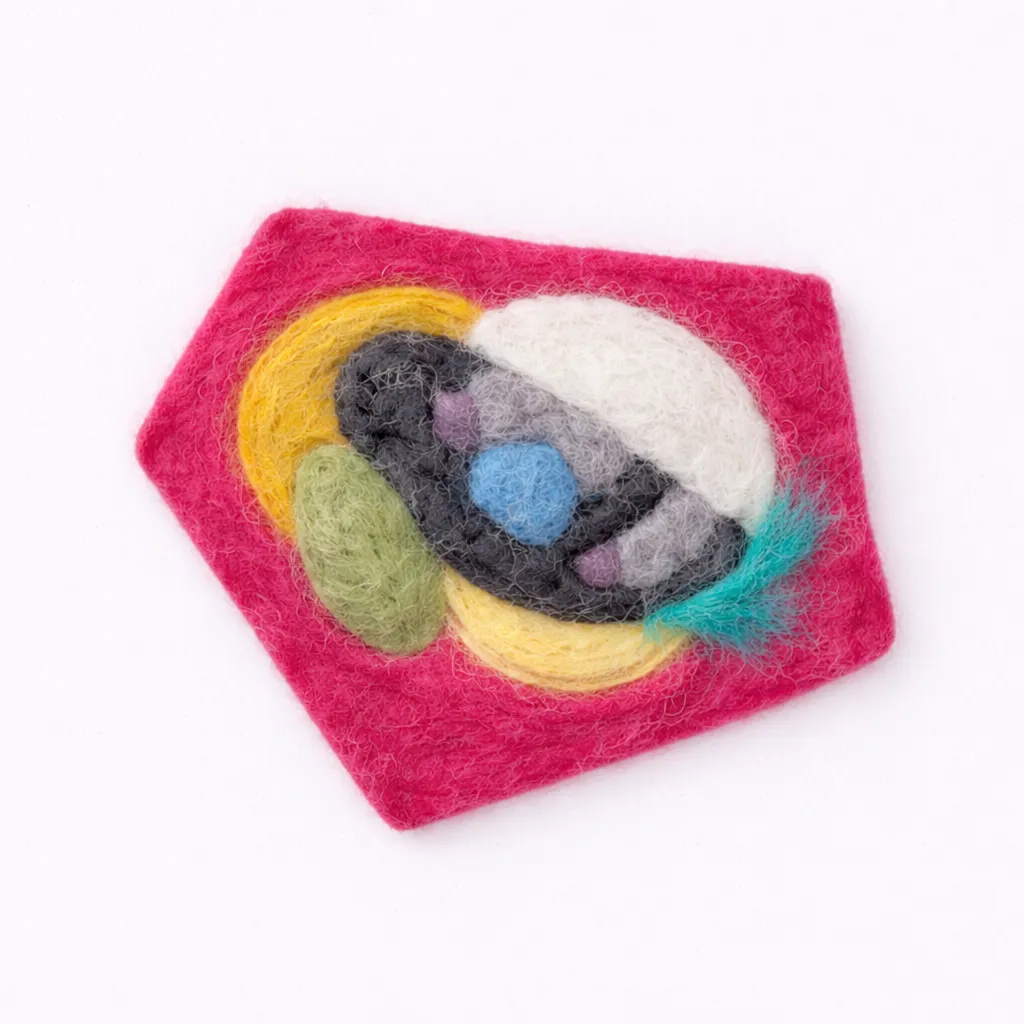
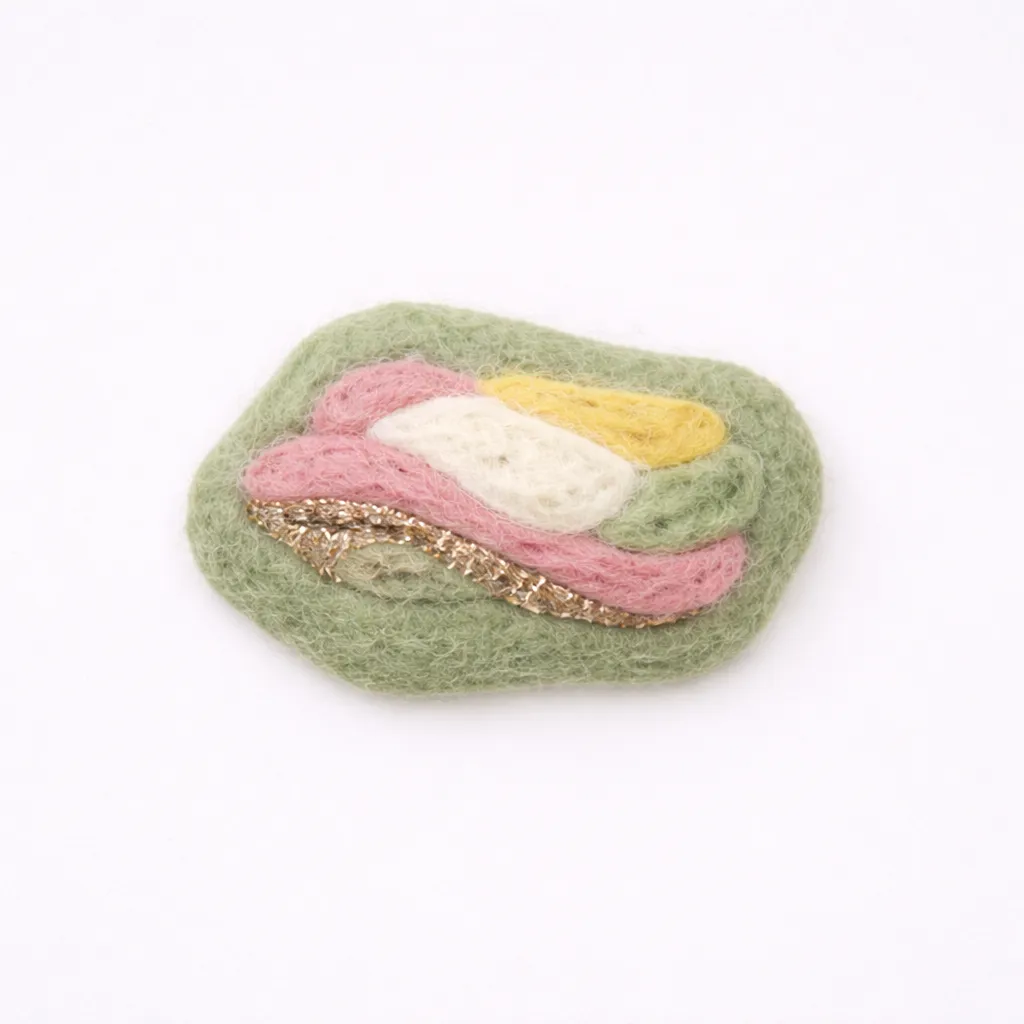
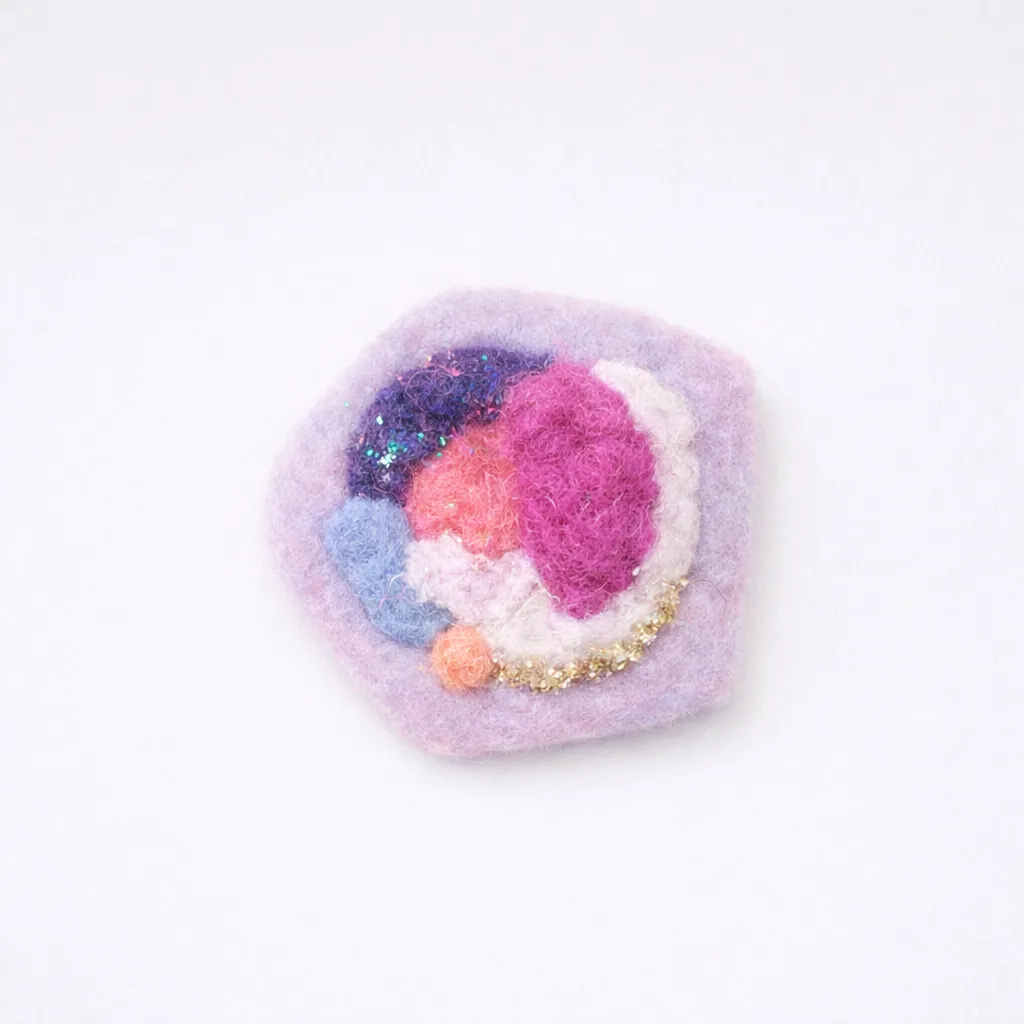
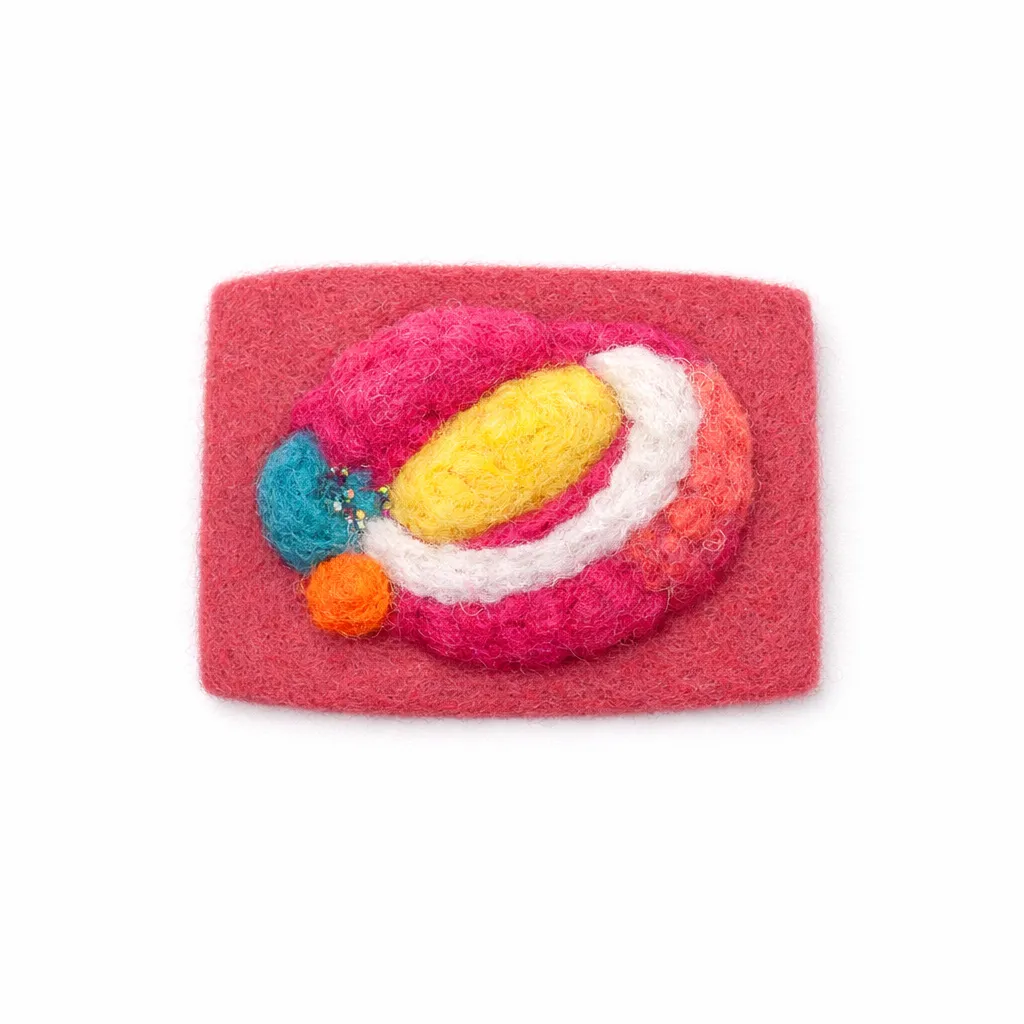
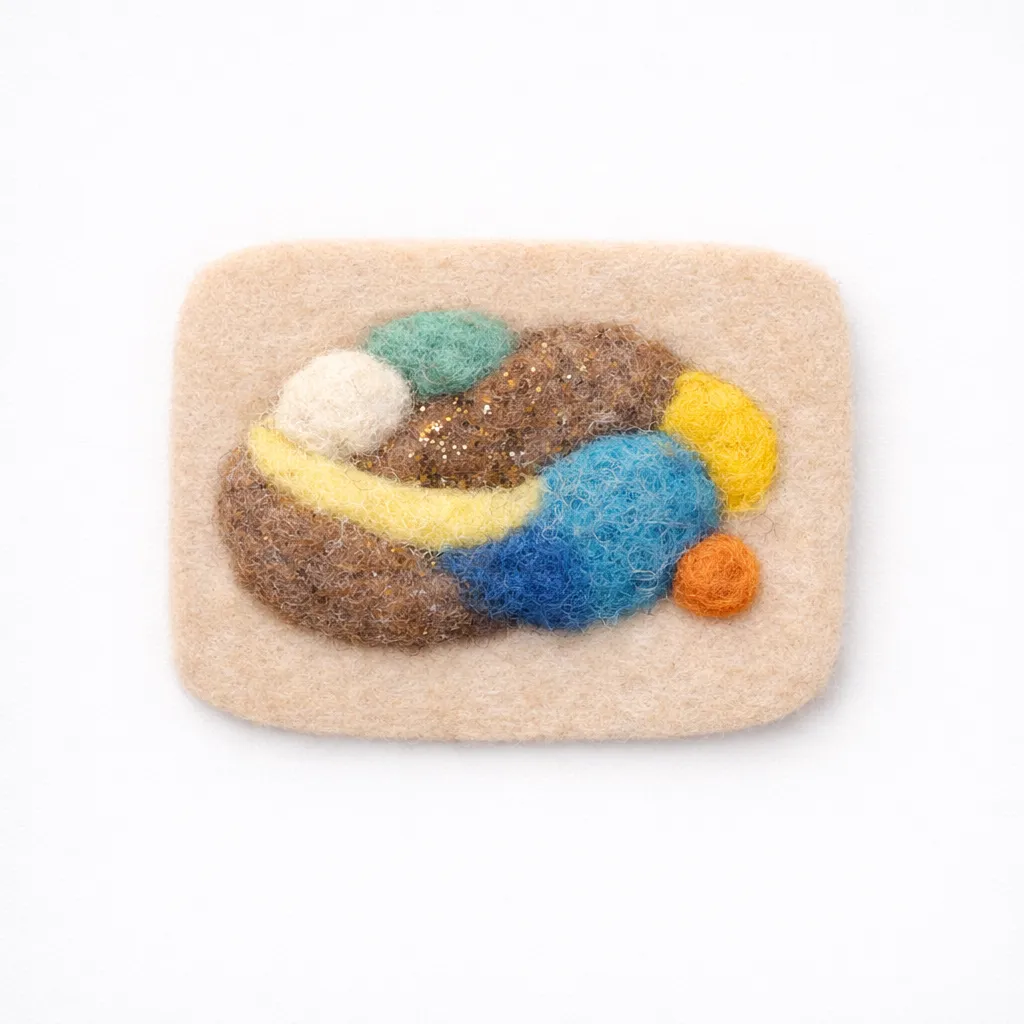
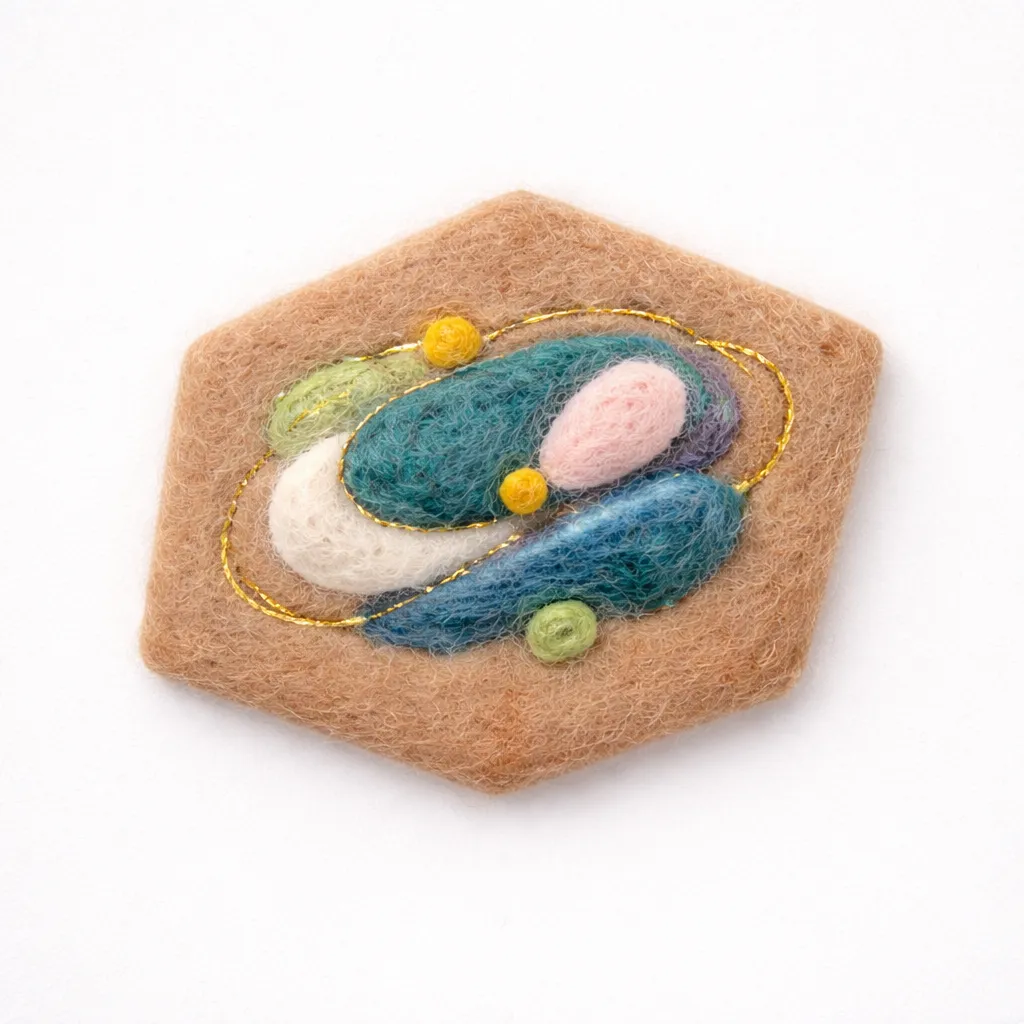
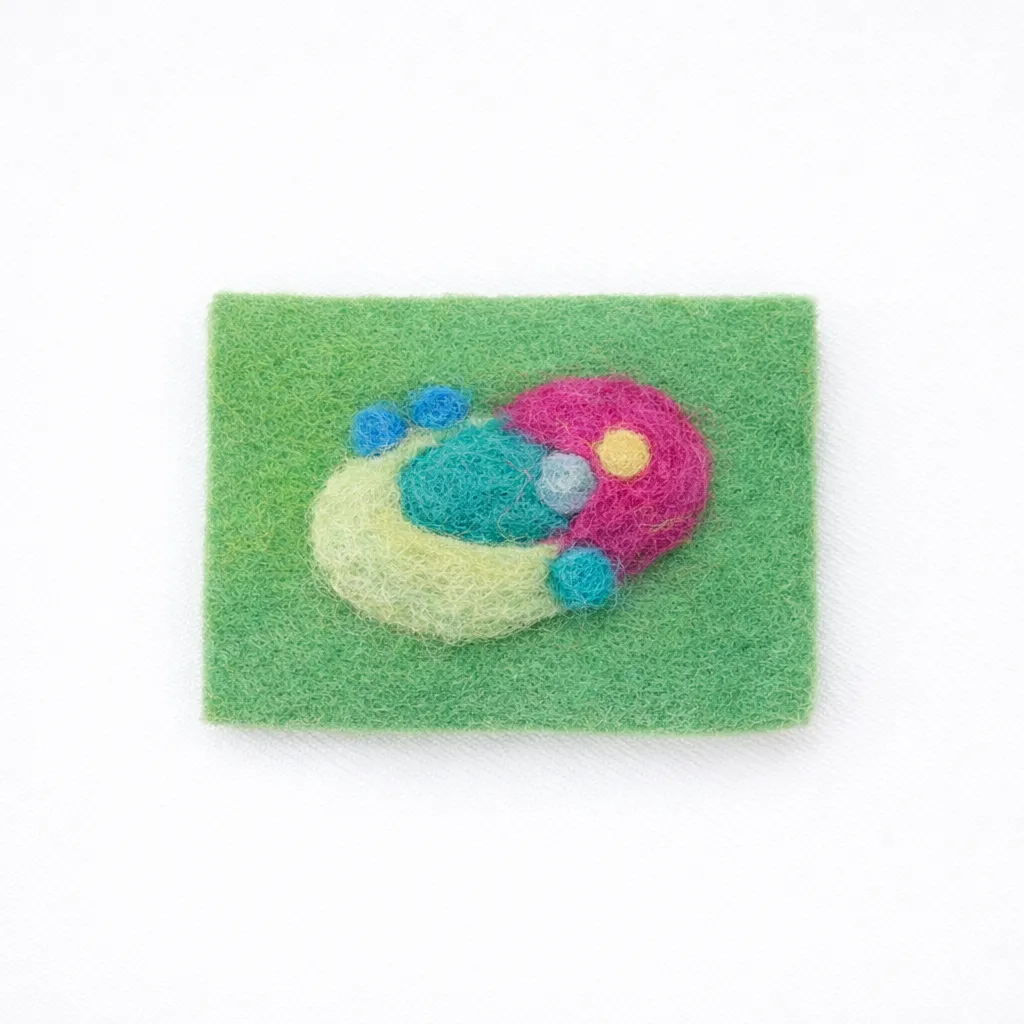
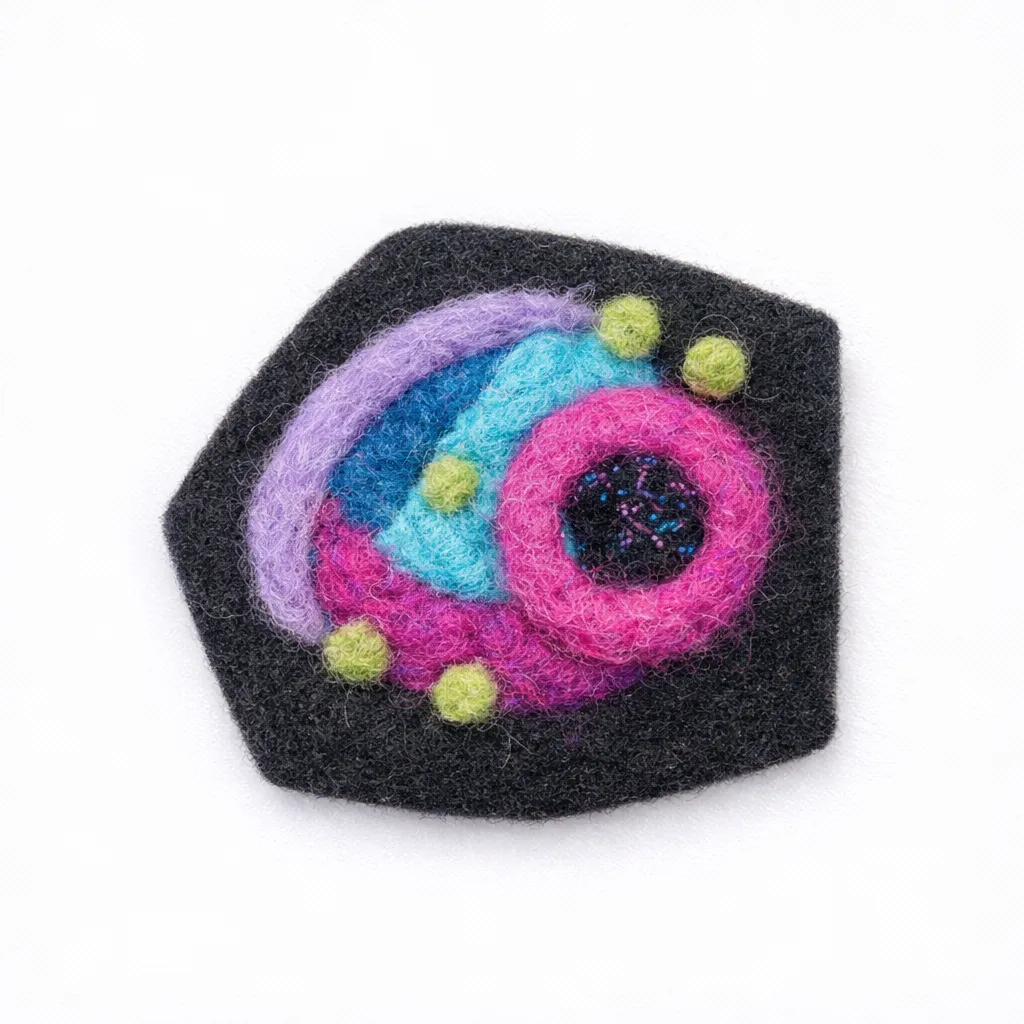
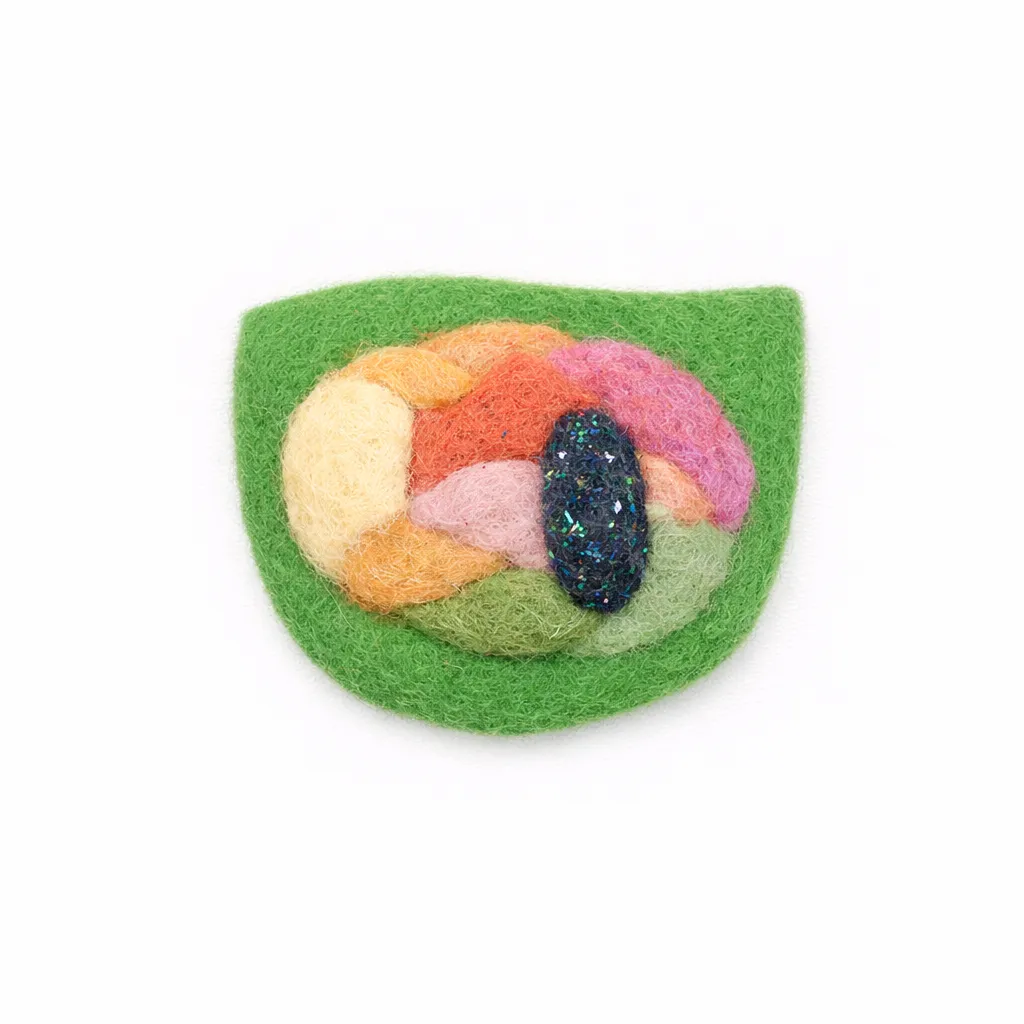
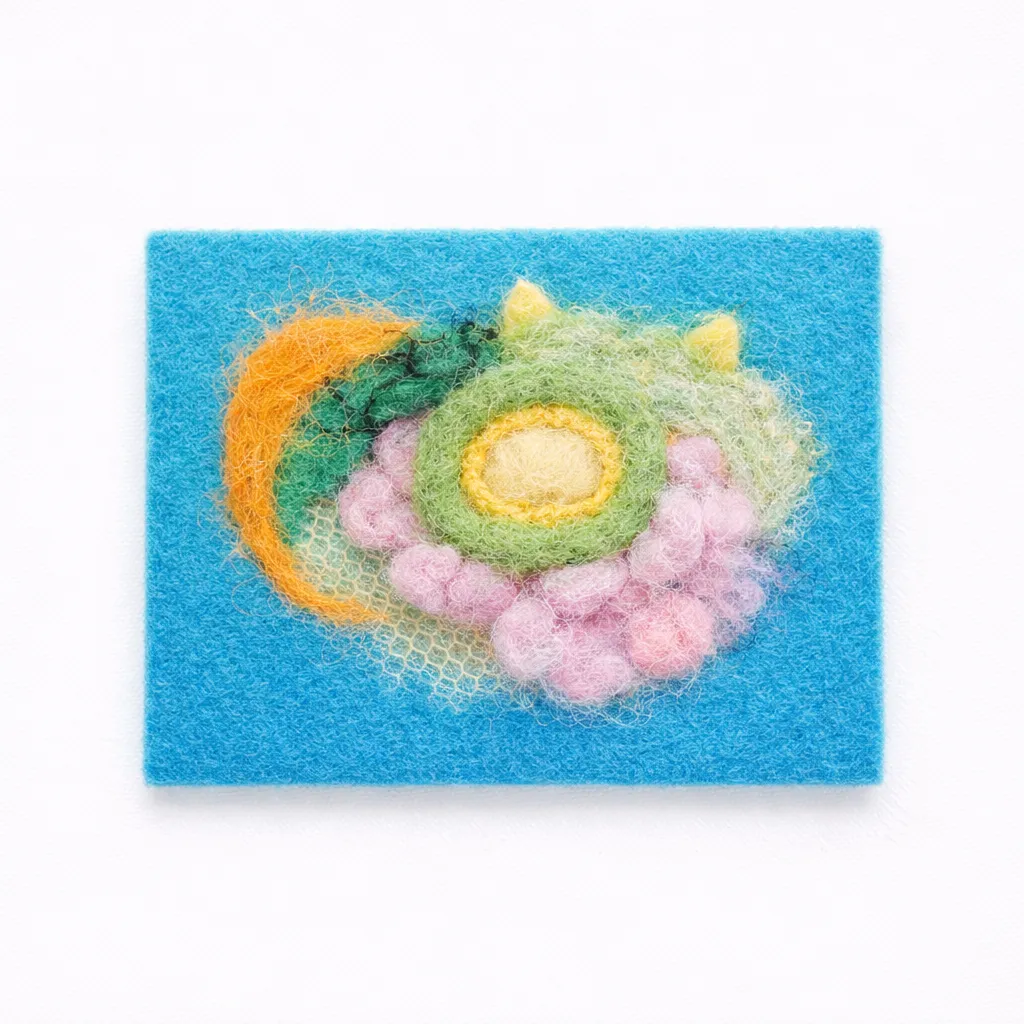
AIで制作した子個体(20体)